5 Benefits of Fiberglass Insulation

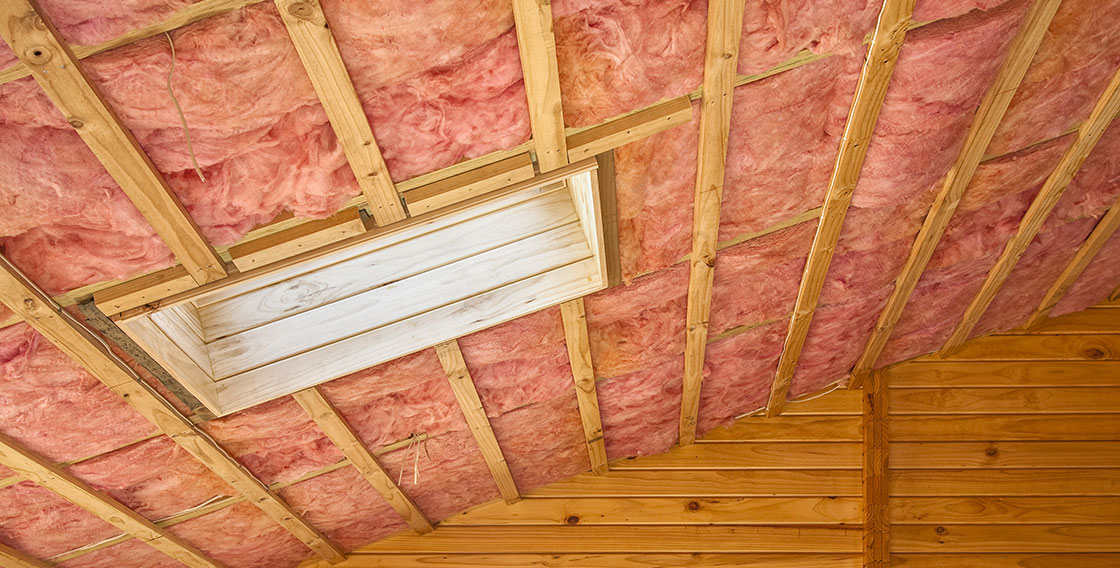
While it’s not a much talked about subject, adding insulation to your attic can have significant impacts on your home, and one of the most popular types is fiberglass. A whopping 85% of American homeowners are lining their attics with fiberglass insulation as their insulation material of choice, making the glass fiber cotton candy look– a– like the top-selling insulator by a landslide.

In which case, what’s made fiberglass such a popular household staple for the past several decades? Here’s a list of the top five benefits that homeowners who have used fiberglass for their attic insulation installation will enjoy.

1) It’s Both Moisture-Resistant and Fire-Resistant

Among the many risks that come with owning a home include the possibility of property damage caused by a natural disaster. Thankfully, in the case of both a flood or fire, you can count on fiberglass to resist the elements.

Fiberglass isn’t entirely waterproof, as it can get damp or wet. But it neither holds nor retains water, which makes it easy to dry off and put right back up in the attic. And the fact that fiberglass is adept at resisting moisture means that you won’t have to worry about the growth of mildew or mold on it.

Fiberglass is also noncombustible, a particularly coveted attribute given the fact that, in most cases, the process of installing insulation in an attic requires material to be lined within wooden joists.

2) It’s Super Easy to Install

Since fiberglass is one of the most used types of attic insulation, its safe to say that it’s also super easy to install. Whereas some popular insulators are a nightmare to set up properly in your attic, installing fiberglass batts insulation is a relatively painless process.

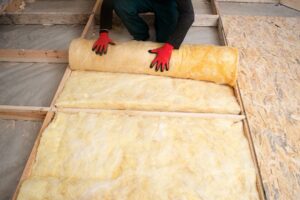
Batts are conveniently designed to be the same width as the standard distance between studs on a wall, which makes fiberglass insulation installation as easy as unrolling and stapling them.

The thermal performance of fiberglass batts will drop dramatically if they’re cut to the wrong length or somehow installed improperly, so it’s recommended that you hire a professional to install a fiberglass batt insulation instead of a DIY method. Because it tends to be such a straightforward process, however, professionals are likely to charge you less for batt installation than they would for installing an alternative insulation material like foam. You can also ensure that it is installed properly when you go with an insulation company.

3) It Comes in Loose-Fill Form Too

Though batts are oftentimes easy to install, the task becomes a bit more complicated for attics with:

  • Awkward spacing between joists
  • Minimal headroom and crawl space for an installer to maneuver around
  • Heating and cooling units or other cumbersome obstructions situated on the ground
  • Pipes resting on the walls

Thankfully, you can avoid the migraine of having to dice fiberglass batt insulation to a specific size by using loose fill insulation instead. Loose fiberglass insulation installation involves chunks of fiberglass that are packaged in bags and applied to gaps in coverage courtesy of a large blowing machine.

4) It’s Extremely Effective

Fiberglass for attics stands at or near the top of its class in virtually every meaningful category. When fiberglass is installed properly, you can rest easy knowing that you’re getting outstanding:

  • Performance – Fiberglass varies greatly in density and thickness, which means that its R-value (i.e. the term used to indicate an insulator’s effectiveness in resisting airflow) has a wide range as well. But at its best, fiberglass has an R-value of 4.3, good enough to match and even exceed most of its competition.
  • Durability – In attics where ideal conditions are maintained, fiberglass can last up to 100 years without needing maintenance. This is a good 20 years longer than the staying power of the next most durable material.
  • Soundproofing – In addition to blocking airflow, fiberglass also has a knack for blocking sound. Even if you have loud neighbors or a heating and cooling unit that won’t shut up, fiberglass insulation ensures that the acoustics in your home stay sharp.
  • Eco-Friendliness – Fiberglass is composed of a combination of glass, sand, and other recycled materials, and naturally conserves non-renewable fuel sources. This makes it among the most environmentally friendly insulation product on the market.
  • Long-Term Value – Speaking of energy efficiency and conservation, fiberglass has the capacity to conserve up to 12 times as much energy as it puts forth. Get ready to shave about 2/5 off of your utility bills!

5) It’s Cheap

Not only is it effective, durable, eco-friendly, and energy efficient, but it’s also cheaper than most materials. Though fiberglass insulation products are excellent insulators, you wouldn’t guess it from the cost. In some cases, you can find it for well under $1 per square foot. Even at its costliest, fiberglass insulation cost per square foot will unlikely exceed $1.30.

Fiberglass is like a superstar athlete that you’ve managed to retain on a rookie contract: it’s incredible how little you have to pay for the top-tier efficacy. The price point and savings on energy costs and bills make it a clear winning choice for home insulation when comparing fiberglass insulation vs spray foam insulation.

Call Attic Construction to Install Fiberglass in Your Attic

Fiberglass is among the most dynamic insulators and is easily the most cost-effective. At Attic Construction, we pride ourselves on achieving that same standard: unrivaled service at a rate that won’t make you break the bank.

Whether you want us to handle your next fiberglass installation or you’re simply looking for expert guidance before you do it yourself, we’re here to help you with all of your attic insulation needs. We provide comprehensive attic services such as insulation removal, wall insulation, radiant barrier insulation, rodent proofing, and more. Still confused about the difference between each insulation type?

Give us a call for a free quote today! Our San Diego, Orange County or Phoenix insulation removal & installation services are just a call away.

Resources

1) “Fiberglass Insulation vs. Spray Foam Insulation” by Editorial Staff at Diffen
https://www.diffen.com/difference/Fiberglass_Insulation_vs_Spray_Foam_Insulation

2) “Everything You Need to Know About Insulation’s R-Value” by editorial staff at Today’s Homeowner with Danny Lipford
https://www.todayshomeowner.com/insulation-r-value/

3) “How Much Does it Cost to Insulate a House?” by editorial staff at Home Advisor
https://www.homeadvisor.com/cost/insulation/

Fiberglass Insulation Cost

Fiberglass Insulation Cost

While insulation costs can vary depending on which material you choose for your home insulation, fiberglass is by far the most popular choice for attic insulation material compared to cellulose, mineral wool, or spray foam insulation. Aside from this insulation type being significantly more effective in energy savings when comparing it to foam insulation, the most convincing argument for choosing fiberglass is a simple one: it’s a fantastic product that you can buy for an irresistibly inexpensive price.

But Just How Inexpensive Exactly?

Like all insulation materials, fiberglass doesn’t come with a “one size fits all” price tag. and may also depend on your existing insulation situation. That is why it’s important to get multiple insulation installation cost estimates so you can see which insulation contractor will give you the most competitive price for the attic insulation cost. 

Several factors go into the final cost of attic insulation installation with fiberglass, including potentially adding crawl space or wall insulation. Proper insulation also depends on where you live! For example, air leaks in cold areas can cost you tons in energy costs, while a very hot climate may require something like a radiant barrier. Continue reading for everything you need to know about how much does attic insulation cost and what you can expect to spend on fiberglass insulation.

What is Insulation?

Insulation is material designed to protect heat loss or gain by providing a barrier, so that heat or sound does not transmit from one area to another. It is used to fill any spaces, such as little gaps, hard-to-reach places, and above ceilings. By filling the spaces in your home, it helps reduce heat flow by absorbing and/or reflecting heat.

Why is it Important?

Having your home properly insulated helps keep your home’s temperature comfortable and keeps your energy bills low. Keeping warm air inside during the winter and retaining cold air in the summer allows for insulation improvements. Specifically, attic insulation is important because warm and cool air often escapes through the attic and is often left relatively unchecked. To combat this, fiberglass insulation is an excellent way to stop the air from sneakily escaping, leading to increased comfort levels, utility savings, energy efficiency.


The Two Kinds of Fiberglass Insulation

Fiberglass insulation comes in two varieties:

  • Batts – These are the large blankets featuring long, puffy strands of fiberglass held together by an adhesive vapor barrier like reflective foil or paper. Because insulation batts are specially designed to be the same length as the standard distance between joists in your average attic space, installation tends to be a breeze. You simply unroll them and tack them up where needed.

For attics that have HVAC units/piping/other awkward obstacles in the way, however, batt installation is a more complicated endeavor that requires the installer to cut them to an exact size and shape to fit the attic space properly.

  • Loose–Fill Insulation – This type of fiberglass comes in chunks that can be purchased by the bagful. During the insulation installation, the contractor will use a large blowing machine to spread this loose-fill material throughout your attic space as needed. For homeowners living in older homes with attics that have multiple obstructions on the floors and walls, loose-fill tends to be the fiberglass attic insulation choice.

Because fiberglass batts are considerably more popular among American homeowners than their loose-fill insulation brethren, this article will focus on how the cost of batt insulation is determined.

Factor #1: The R-value of Fiberglass

The thermal quality of an insulator is referred to as its “R-value.” Simply put, the higher the R-value of a given insulator, the more effective it will be at resisting temperature transfer and, naturally, the higher the insulation price.

An insulation material’s R-value is primarily based on its thickness and density. Both of these qualities vary immensely with fiberglass, which means the price does too.

Factor #2: The R-value You Need in Your Attic

R-value is used to describe the thermal capability of not only insulation material but also a room as a whole.

Based on regional climate, each American state suggests—or in some cases, mandates—the minimum R-value that an attic must maintain. You can check out this helpful chart created by the US Department of Energy for an in-depth look at recommended attic R-values by region throughout the country, but the basic idea is as follows:

  • Homeowners living in perpetually balmy regions like Southern California should shoot for an R-value of R30
  • Homeowners residing in frigid climates with brutal winters should maintain at least an R49, and perhaps even aim for as high as R60
  • Everyone else’s attic should have an R-value somewhere between R38 and R49

An attic’s R-value is calculated simply by multiplying the R-value of the insulation material you choose by the total amount in square feet of material installed. This means that, in the same way, a hefty winter jacket will cost more than a basic cotton t-shirt, attics that require higher R-values will result in you spending more money on insulation material.

Factor #3: Installation

If you’re intent on making the proper insulation of your attic a DIY insulation project, the factors that affect the cost of your fiberglass batts end there. But if you’d rather put the installation in the hands of a professional insulation contractor (which we highly recommend), that will add a few extra hundred dollars or so to the final invoice for insulation costs.

Though batts are the easiest insulator to install on your own, the DIY route leaves you prone to common amateur mistakes like:

  • Inadvertently tearing a corner of the batt
  • Cutting the batt to too short a size
  • Leaving a batt to be too long

Each of the above mistakes allows air leaks through any voids, which results in you throwing money out the window on your utility bill down the road. Shelling out the extra dough to a pro today will allow you to reap the benefits of fiberglass insulation and save hundreds, perhaps even thousands of dollars in heating and cooling costs in the long run. Energy efficiency is definitely not a benefit you want to miss out on by simply not installing your home insulation correctly, which is why using a professional will be your best bet.

Count on Attic Construction for Your Fiberglass Batt Installation

At Attic Construction, we pride ourselves on bringing you outstanding, expert service and the invaluable peace of mind that comes with knowing that your fiberglass insulation installation will get done correctly at the most competitive rates out there.

We are proud to offer the following insulation services at our locations:

Orange County Insulation Installation, Removal and Replacement

San Diego Insulation Installation, Removal and Replacement

Phoenix Insulation Installation, Removal and Replacement

Contact us for a free quote today or if you’re looking for a more eco friendly insulation!

Resources

1) “Recommended Home Insulation R-Values” by the US Department of Energy
https://www.energystar.gov/index.cfm?c=home_sealing.hm_improvement_insulation_table

2) “How Much Does it Cost to Insulate a House?” by editorial staff at Home Advisor
https://www.homeadvisor.com/cost/insulation/

3) “Everything You Need to Know About Insulation’s R-Value” by editorial staff at Today’s Homeowner with Danny Lipford
https://www.todayshomeowner.com/insulation-r-value/

What is Fiberglass Attic Insulation?

If you have childhood memories of being in your attic and thinking the walls and roofing looked like they were covered in cotton candy, then you’re a part of the vast majority of Americans who grew up with fiberglass insulation. An attic mainstay for several decades now, fiberglass remains the go-to choice for an attic insulation installation for a whopping 85% of American homeowners.

What exactly is fiberglass insulation? What forms is it available in? And why has it become such a standout in the world of attic insulation amongst all the other insulation types? Read on for everything you need to know about the cotton candy dead ringer that has found a home in countless attics.

What is Fiberglass Made of?

Fiberglass is a series of immensely delicate fibers composed primarily of—get ready to thank Captain Obvious—glass (typically the translucent kind you see in windows and drinking glasses).

Here’s how fiberglass gets made:

  • Step One – The glass gets heated until molten.
  • Step Two – This melted glass is combined with other eco-friendly materials like sand and limestone and then woven into strands.
  • Step Three – The fiberglass strands are then fortified with different resins, which also allows them to be customized into various shapes.

How is Fiberglass Installed in Your Attic?

Speaking of fiberglass shapes, there are two ways for a professional installer (or an ambitious DIY-er) to hook your attic up with fiberglass insulation:

  • Batts – By far the most common form of fiberglass insulation, these are the large rolled-up sheets held together by either reflective aluminum foil or paper acting as an adhesive vapor barrier. Batts make for the easiest installation process, as one sheet not only covers a whole bunch of real estate but also is designed to be the same size as standard joists.

Yes, their size does make them a hassle for attics with multiple obstructions like pipes or HVAC units. But for new buildings or gut renovations that leave plenty of open space, batts are the optimal choice.

  • Loose-Fill – What if you want to reap all the benefits of fiberglass insulation but your attic is littered with obstructions or has awkward spacing between joists? That’s where loose-fill, blown-in fiberglass comes to the rescue.

Loose-fill fiberglass comes in chunks that can be purchased in bags and is applied by way of your installer using a large blowing machine to fill in the gaps of your attic space as needed. These machines make it easier for insulation contractors to work in attics that have a low ceiling or don’t offer much space for maneuvering around.

Loose-fill is also a sensible option for older homes with attics that have prior insulation in place.

Why is Fiberglass so Popular?

Like Kleenex, Band-Aids, and Google, fiberglass is such a popular choice with consumers that the word “fiberglass” itself has become virtually synonymous with “attic insulation.”
It’s easy to see why. Fiberglass presents homeowners with numerous benefits, such as:

  • Cheap and Easy – Fiberglass is a highly accessible commodity that can be found at just about any home improvement store. Whether you purchase it in batt or loose-fill form, fiberglass is extremely easy to carry and unpack. Best of all, it’s dirt cheap, which enables you to boost the insulation level in your attic without having to break the bank.

But don’t let the low price tag fool you: fiberglass is far from being a “you get what you pay for” product. Fiberglass insulation cost may be cheap, but you get the bang for your buck. Naturally adept at trapping pockets of air to keep your home warm in the Winter and cool in the Summer, fiberglass can hang with the best when it comes to thermal performance (more on this later).

  • Saves You Money Over Time – According to industry professionals, fiberglass conserves 12 times as much energy as it uses to prevent airflow. This unique capacity for storing energy can help you axe your utility bill by up to 40% annually! These energy savings make this type of insulation a no brainer. And as an additional perk, fiberglass also conserves nonrenewable fuel sources, making it among the eco-friendliest insulation materials on the market.
  • Insane Longevity – Fiberglass is an insulator you can set and forget. When installed in an attic that maintains ideal conditions, fiberglass will last for a full 100 years before it needs to be replaced.
  • No Shrinkage – Unlike some attic insulation material, fiberglass doesn’t shrink over time. When properly installed and kept dry, what you see on day one is what you’ll continue to get.
  • Fire-Resistant – Fiberglass is non-flammable, which gives you invaluable peace of mind knowing that you can use it to line your wooden joists without having to worry about it setting the wood on fire.
  • Moisture-Resistant – Fiberglass is naturally resistant to the spread of moisture, which by extension makes attics with fiberglass insulation much less vulnerable to the spread of mold and mildew. Thus, fiberglass is a particularly smart choice if you live in a region with a notably humid climate.
  • Acoustic Boosting – Fiberglass is a top performer when it comes to absorbing sound waves. With fiberglass insulation in place, outside noise will remain outside of your home. As an added bonus, fiberglass also reduces the transmission of inside noise. No matter how obnoxiously loud the rumblings from your HVAC unit may be, homes with fiberglass installed in the attic will enjoy peak acoustics.
  • Discourages Infestations – Fiberglass may look like cotton candy, but it’s completely unpalatable. This means that your attic isn’t likely to become the popular neighborhood spot for insects, rodents and other unwelcome instigators of infestation.

Is There a Downside to Fiberglass?

Even the best attic insulation products will have their share of drawbacks, and fiberglass is no exception. Some of the fiberglass disadvantages include:

  • It’s useless if it gets wet or even damp. If your fiberglass insulation does get wet, you should have it inspected and fully dried by a professional immediately. Thankfully, the fact that fiberglass neither holds nor retains water makes it fairly easy to dry out.
  • It’s a headache to customize fiberglass batts. But again, cutting batts down to a specific size is typically only relevant in older homes with an attic space that has multiple obstructions, awkward spacing or low clearance.
  • As is the case with the majority of insulation materials, it presents some safety hazards. The consequences of touching or inhaling fiberglass during the installation process range from an itchy rash on your skin to serious damage to your respiratory system.
  • Though fiberglass doesn’t shrink, its ultra-light nature makes it prone to irregular compression, settling and sagging, all of which will hurt its R-value (and jack up your monthly energy bill) over time.

Wait, what the heck is R-value?

In any discussion about insulation, the term you’re bound to keep hearing is “R-value.” An insulation material’s R-value is basically its effectiveness in resisting airflow. The higher the R-value, the better the material is at trapping air.

The R-value that you should try (or in some cases, might be required by state law) to maintain in your attic all depends on the climate in the region where you live. The US Department of Energy created this helpful guide for R-value recommendations by region. Generally speaking, ideal R-values are as follows:

  • If the climate in your region is so hot that playing a round of golf during the day could be life-threatening, then the R-value of your attic should fall somewhere near R25 and R30
  • If you live in a region that has virtually perfect weather year-round (looking at you, San Diego), keeping your attic’s R-value at about R30 should do the trick
  • If you live in a region where scraping ice off of your car’s windshield during winter mornings is as routine as a cup of coffee, your attic’s R-value should be at least R49, and perhaps as high as R60
  • In all other regions, the R-value in your attic should land somewhere between R38 and R49

What is Fiberglass’s R-value? And How Does it Compare to Other Insulation Material?

Not all fiberglass is created equal, as it can vary greatly in both density and thickness, the two key factors in determining R-value. The R-value of the cheapest quality fiberglass can check-in at as low as 2.0. For a slightly higher cost, however, specially designed medium and high-density fiberglass will have an R-value as high as 4.3.

Let’s take a look at how fiberglass stacks up against the competition in the R-value category:

  • Fiberglass: 2.2 – 4.3
  • Cellulose: 3.2 – 3.5
  • Mineral Wool: 3.7 – 4.2
  • Cotton: 3.4 – 3.7
  • Spray Foam: – 3.5 – 7.0

The Battle of Fiberglass vs Spray Foam

Chances are you just did a double-take when you noticed spray foam’s potential to reach an impressive 7.0 R-value. But before you go searching for spray foam installers on Yelp, it’s important to note that foam insulation, for all of its advantages, is expensive.

Additionally, it’s not only extremely complicated to install, but also potentially hazardous to your health if installed incorrectly. In fact, the risk and potential fallout of installing spray foam improperly are such that most home improvement and construction companies choose not to offer it.

Fiberglass doesn’t reach the same R-value heights as spray foam, but the money you save on both the material itself and the fast, simple installation process makes fiberglass the most cost-effective insulation option out there.

The Oak Ridge Myth

In the 1990s, a study was conducted at the Oak Ridge National Laboratory in Tennessee to test the thermal qualities of various insulation materials, including fiberglass. The results of the “Oak Ridge Study” revealed that the R-value of loose-fill fiberglass decreases significantly in the face of cold temperatures, especially in situations when temperatures dropped rapidly.

In the wake of the study, many people accepted the results as fact, and others still misinterpreted these results to mean that all fiberglass performs poorly in cold temperatures, regardless of design. And while these results won’t mean much to homeowners in San Diego, they have understandably caused homeowners who reside in frigid climates to balk at the idea of purchasing fiberglass.

Recent follow-up studies, however, have revealed that the results of the Oak Ridge Study are misleading. The diminishing returns of the loose-fill fiberglass used at Oak Ridge didn’t stem from the fiberglass itself, but rather the now outdated way in which the fiberglass was installed at the time. The process of blowing in loose-fill fiberglass has since been perfected, which means you can count on fiberglass to maintain its R-value no matter how cold it gets outside.

Count on Attic Construction to Install Fiberglass in Your Home

Ready to get started and insulate your attic with fiberglass? Attic Construction is ready to help!

Our expert team prides itself on offering outstanding customer service in answering any specific questions you may have about the pros and cons of fiberglass insulation, and then either installing it in your attic for you or walking you through the DIY route.

Conclusion

With its unrivaled low price, hassle-free installation requirements, dynamic thermal performance and unique ability to continue helping you slash your energy bill over time, fiberglass gives you the most bang for your buck of any insulation material.

At Attic Construction, we consider ourselves the fiberglass of home improvement services, offering you the best service at the lowest price. Give us a call for an estimate and to set up your next attic insulation installation today.

Resources

1) “Recommended Home Insulation R-Values” by the US Department of Energy
https://www.energystar.gov/index.cfm?c=home_sealing.hm_improvement_insulation_table

2) “Everything You Need to Know About Insulation’s R-Value” by editorial staff at Today’s Homeowner with Danny Lipford
https://www.todayshomeowner.com/insulation-r-value/

3) “Does Fiberglass Insulation Really Lose R-Value” by Allison Bailes
https://www.energyvanguard.com/blog/does-fiberglass-attic-insulation-really-lose-r-value

Which Attic Insulation Is Best?

No matter how big your home is or what material it’s made of, each one needs to have proper attic insulation to keep the temperature regulated and the energy bill down. And if you live in a region with particularly cold and snowy winters, that last sentence applies to you in bold font and all caps. Overall, the biggest benefit of having your attic insulated is better energy efficiency.

But which attic insulation is best? There isn’t a “one size fits all” answer to the best insulation, as several factors come into play. However, you can still determine which one may be the best attic insulation for you.  Read on for everything you need to know about the different attic insulation options, and how you can choose which insulation type is right for you.


An Overview of R-Value

Any conversation about proper attic insulation must begin with a firm understanding of R-Value, the unit by which insulation’s strength is determined. Insulation R-Value is a material’s capacity to resist the transfer of heat or heat loss . A material’s R-Value is generally affected by the following four factors:

  • Type of material (more on this shortly)
  • Thickness
  • Density
  • Where and how it’s installed

The higher an attic’s total R-Value, the better it will be at trapping heat flow and keeping your home from turning into an iceberg in the winter or sauna in the summer.

Generally speaking, the US Department of Energy recommends maintaining the following overall R-Value levels in your attic:

  • R30 in hot climates (like California)
  • R38 in temperate climates (this is typically the desired level for residences in California)
  • R49 in cold climates (note: if you live in a region where the temperature regularly drops to “every shop in town is closed today because it’s so cold outside” levels during the winter, maintaining a specific R-Value in your attic may be required by state law)


Types of Attic Insulation Material

Though R-Value is a “the higher, the better” measurement, the insulation material with the highest R-Value isn’t necessarily the best attic insulation choice for your house. Different insulation materials have unique strengths and weaknesses, and some attics will be more suited for certain material than others.

Here’s an overview of the most frequently used insulation material, the pros that made them so popular with consumers, and the cons you should consider before you buy:


1. Fiberglass

So what is fiberglass insulation? is like the McDonald’s Big Mac of insulation material: it’s certainly not the highest quality option, but it’s easily the most popular insulation type . Its R-Value ranges from as low as 2.2 to as high as 4.3 in the case of specially manufactured high-density fiberglass. As such, it usually performs the worst in terms of insulation for attics.

The fact that it has been a staple of new insulation construction and Extreme Home Makeover-like gut renovations are easy to track. With many benefits of Fiberglass insulation, Some of the advantages include:

  • It’s cheap and highly accessible
  • It’s adept at resisting moisture, which is why it’s particularly sought after in regions with high humidity
  • It doesn’t shrink over time
  • It’s fire-resistant
  • Insects will avoid nibbling on it


2. Cellulose

Cellulose insulation generally comes from either wood or recycled paper, and often manufacturers will claim it as a green product. Although cellulose has slightly more recycled content than other attic insulation types, it does not pass a holistic “green” assessment of its impact on the environment.


There are some concerns about cellulose insulation that you should keep in mind. Cellulose insulation is naturally flammable and is treated with high amounts of anti-flammable chemicals. The Consumer Products Safety Commission requires all cellulose manufacturers to warn their customers that cellulose insulation presents a fire hazard.

Although Cellulose remains an inexpensive commodity and is typically up to 25% cheaper than fiberglass insulation, it’s not without its drawbacks, such as:

  • They’re a Glutton for Moisture – Any insulation is rendered useless as soon as it becomes wet. Because cellulose is designed to collect and hold water, it waves the white flag in the presence of moisture quicker than any other insulation material. This can cause cellulose insulation to not only slip in effectiveness, but also develop mold and mildew, and even rotting. And if cellulose does become wet, the boric acid used to treat it goes from being harmless to corrosive.
  • Settling – Cellulose also tends to settle and sag over time, which takes away its superpowers. Thankfully, this is less of a problem with attics and pertains more to walls throughout the house.
  • Dust – If you’re in the attic while cellulose insulation is being installed, strap your respiratory mask and goggles on extra tightly. Cellulose creates a whole lot of dust when first installed.


3. Mineral Wool

Featuring melted-down stone and recycled slag from steel mills, mineral wool batts are more widely utilized in Canada and Europe but are currently enjoying a resurgence in the US.

Compared to fiberglass, mineral wool is costlier, but you get what you pay for due to the following advantages:

  • Fire Barrier – Mineral wool doesn’t even begin to burn until it reaches 1,8000 degrees Fahrenheit. In the worst-case scenario of a house fire, this will buy the fire department crucial, potentially home-saving extra minutes to arrive at the scene and take care of business.
  • Water Warrior – In addition to being fire-resistant, mineral wool is also water-resistant, able to continue insulating even in the face of the worst moisture leak.
  • Wall of (No) Sound – Mineral wool is extremely effective at blocking outside noise from entering your home.

There’s only one drawback with mineral wool insulation, but it’s a significant one: inhaling it during insulation can be potentially cancerous. Proceed with extreme caution if you’re present for the insulation installation.

4. Cotton Or Denim Insulation

Interestingly, cotton insulation comes from recycled blue jeans. And aside from the novelty of having former blue jeans hung up in your attic, cotton insulation is a viable choice for the following reasons:

  • High Performance – With a typical R-Value of about 3.7 and up, cotton traps heat with the best of them.
  • Safety – Whereas both fiberglass and mineral wool present safety hazards both in the physical handling of them and the fibers they release into the air, cotton couldn’t be safer to handle or install. No need to worry about it irritating your skin or the consequences of accidentally breathing it in during attic insulation installation.

Similar to mineral wool, denim insulation is an extremely expensive type of insulation.


5. Foam

If you’ve ever wondered what the difference is between fiberglass insulation vs foam, when it comes to performance, foam is the MVP of insulation material. There are two types of foam insulation:

  • Open cell, which has an R-Value of about 3.5
  • Closed cell foam, which hits a whopping R7!

Keep in mind that foam insulation is not recommended for residential applications and is mostly used for commercial or industrial applications. The benefits of foam include:

  • Top-Notch Air Leakage Prevention – The only difference between foam and the 1986 Chicago Bears’ defense is that foam can’t do the Super Bowl Shuffle dance. Foam is the stingiest of defenders against air coming in or out, able to expand quickly and form an air sealing over cavities that other insulation materials couldn’t handle. This air sealing insulation type also discourages airborne contaminants from spreading.
  • Pushing the Envelope – A house’s building envelope is the physical separation of conditioned space (where people move and breath) from unconditioned space (where they don’t). Foam is the only home insulation material that allows you to expand your building envelope to your attic’s roofline. This is a particularly clutch option if your HVAC system (heating, ventilation and air conditioning, for the layman) is located on the floor.
  • Equally Tough on Water – Foam insulation is impermeable to water, which means it neither lets water in nor absorbs it. If that couldn’t make mold and mildew feel any less welcome, foam also contains a polymer that deters their growth, which means they don’t have a prayer of setting up shop around foam.
  • Durability – Foam never settles or loses its efficiency, even in the face of severe temperature drops. You can leave it up for literally decades without having to worry about maintenance.
  • Dual-Purpose – When you apply foam to your rooflines, the effect is two-fold. It not only fortifies your home’s attic structure but also serves as an unrivaled sound blocker.

Once again, the many perks that foam has to offer for your commercial or residential building will hit you in the wallet. Aside from the obvious downside of attic insulation cost, there are other drawbacks with foam to consider, such as:

  • Shrinkage – Though the R-Value of foam never diminishes, it does shrink over time in some cases.
  • Professional Installation or Bust – When the foam isn’t installed properly with an expert insulation installer, it’s likely to fold over itself and create voids that the naked eye can’t see. Even worse, you run the risk of exposing yourself to the foam before it fully cures and becomes non-toxic, a mistake that can have potentially life-threatening consequences.


Popular Attic Insulation Installation Methods

Typically, the insulation material is installed in an attic space in one of four ways:


1. Batt Insulation 

Batts come packaged in rolled-up sheets featuring interweaving fibers. These fibers are usually held in place by adhesive binders in the form of either paper or reflective foil backing, both of which can serve as a vapor barrier. 

The majority of batt insulation is either fiberglass or mineral wool and occasionally denim.


Because batts cover such extensive real estate, they are ideal for attics that fit the following description:

  • An expansive area with little to no obstructions on the attic floor and plenty of headroom for the insulation installer to maneuver around
  • No prior insulation is in place
  • The area features joists (the horizontal structural wooden rods running between two beams in open space) that are spaced out evenly

If you’re in need of replacing your batt insulation, you’ll need to know how to remove batt insulation or you can contact an attic services professional to do the job for you.

2. Blown-in Insulation 

Also known as loose-fill insulation, blown-in insulation comes in tiny chunks packaged in large bags, and entails using a blowing machine to fill in necessary spaces. Fiberglass, cotton, and mineral wool can all work as loose-fill insulation material, but the far and away top choice for blown-in insulation is fiberglass.

Contrary to batts insulation, blown-in fiberglass insulation is perfect for filling in tight voids around wiring, pipes, or any area with awkward framing.


3. Spray Foam Insulation 

The spray can is the exclusive home of spray foam insulation. Often paired with blanket insulation to seal gaps, it is one of the most effective ways to insulate the attic space. The spray foam attic insulation is sprayed into the gap of your attic expanding and hardening into a solid foam.


4. Blanket Insulation

Blanket insulation is an inexpensive and easy way to install insulation into your attic floor and wall. Sliced thick pieces of insulation are fitted tightly between the gaps in wooden frames or around pipes, wires, and other obstacles to shield the attic from heat and cold. It’s important to avoid this type of attic floor and wall insulation in open spaces as it can affect the indoor air quality of your home.


Cost of Insulation for Attic

Whether you end up choosing fiberglass batt insulation, blow in insulation, or spray foam,  it’s important to know the cost of different attic insulation types and overall insulation installation costs. According to Forbes Advisor, the average attic insulation cost can range from $1,500 to $3,500. However, this depends on the size of your attic space. Breaking it down by cost per square foot, the average cost is between $1 and $7 per square foot depending on the material of the attic insulation.

Attic insulation removal cost depends on the current condition of your home. Generally, you do not need to fully replace your attic insulation. Except in cases like serious water damage or animal infestation, a professional would need to rip out all the existing insulation and add in new insulation material. Removing your old insulation can typically cost around $1 to $2 per square foot.


How Much Attic Insulation Do I Need?

Generally, if it is less than about 10 to 13 inches, the equivalent of an R-30, it is recommended to add more insulation. However, depending on where you live and the age of your home, the recommended level of attic insulation is different.


Let Attic Construction Help You With All Your Insulation Needs

So you’ve determined the best insulation for your attic, what’s next? While DIY’ers can perform attic insulation, it certainly doesn’t mean it should be, especially when installing spray foam attic insulation.

At Attic Construction, we’re dedicated to working with you and your budget to assess which type of insulation best suits your unique attic, and how much of it you’ll need (because there is such a thing as too little or too much insulation in the attic) . Whether you have a finished attic or an unfinished attic, when you rely on our expert team of installers, you can rest easy knowing that the insulation installation will be done right and done safely.

Need help with a home insulation project? We are proud to offer the following insulation services at our locations:

Orange County Insulation Installation, Removal, and Replacement

San Diego Insulation Installation, Removal, and Replacement

Phoenix Insulation Installation, Insulation Removal, and Replacement


Resources: 

1) “Batts, Blown or Sprayed? What’s the Best Attic Insulation?” by Allison Bailes
https://www.energyvanguard.com/blog/46480/Batts-Blown-or-Sprayed-What-s-the-Best-Attic-Insulation

2) “Attic Insulation Types” by Rueben Saltzman
https://www.constructionprotips.com/tools-materials/attic-insulation-types/

3) “Read This Before You Insulate Your Attic” by Mickey Goodman
https://www.thisoldhouse.com/ideas/read-you-insulate-your-attic

4) Fiber Glass & Mineral Wool vs Cellulose Insulation: Comparing The Facts
https://insulationinstitute.org/wp-content/uploads/2015/12/FG_MW_vs_Cellulose_Final.pdf

https://www.forbes.com/advisor/home-improvement/attic-insulation-cost/

Types of Attic Insulation: A Helpful Guide

As the old adage goes, there’s more than one way to skin a cat. Attic roof insulation is no different- you have a multitude of options at your disposal. But choosing the right type of attic insulation installation for your home can be the difference between having enough money saved for summer vacation versus losing your summer fund to your energy bill.

Read on for our comprehensive list of the different types of attic insulation, the pros and cons of each, and which one is likeliest to keep your thermostat on an even keel.


What We Talk About When We Talk About Attic Insulation

Before you can go about comparing the many types of attic roof insulation, it’s essential to understand some of the lingo associated with insulation material.

The overall goal of adding insulation to your attic space is to trap heat and keep it from exiting your building. A material’s effectiveness in achieving that goal is referred to as its R-Value. 

The R-Value insulation that your attic should maintain depends on where you live and what the climate is like. Hot climates call for an R30, cold climates command an R49, and moderate climates like may settle near the middle. 


The Usual Suspects

Over the years, some forms of attic insulation have become more popular with homeowners due to myriad factors like R-Value, accessibility, durability, eco-friendliness and the ever-important estimation of “bang for your buck.”

Some of these go-to types of attic insulation include:


Fiberglass Batt Insulation

By far, the most frequently purchased type of attic insulation material is fiberglass, extremely delicate glass fibers that are comprised of recycled material and sand and look uncannily like cotton candy. The most common form that fiberglass insulation takes is in batts, large rolled-up sheets that are held together by an adhesive vapor barrier like reflective foil backing or paper.


Advantages of Fiberglass Batt Insulation

Fiberglass batts present some advantages, especially for new construction with attics that don’t have any prior insulation installed (as well as gut renovations). The upside for choosing fiberglass batts includes:

  • Moisture Resistance – Though fiberglass isn’t impervious to water, it does tend to resist moisture effectively. This makes it less vulnerable to the growth of mold and mildew.
  • Fire Resistance – Fiberglass is noncombustible, so you can rest easy if you have to install it next to your attic’s wooden structure.
  • Easy Installation – Batts are easy to pick up and unfurl. And due to their size, they can cover a lot of real estate in a pinch. This makes them a prime candidate for new construction as long as they are installed properly.


Other Types of Batts

For several decades now, fiberglass has reigned supreme as the top-selling insulation batt. But the following variety of batts have also been popular over the years:

  • Mineral Wool – Mineral wool is a natural fire barrier, so it would take a fire of 1,800 degrees Fahrenheit to make it burn. And it can continue to insulate even when it’s soaking wet. Mineral wool also makes a great sound blocker but unfortunately, it has been declining in traction and is very scarce these days.
  • Denim Insulation – Denim insulation is composed of—are you ready for a tidbit you weren’t expecting?—recycled blue jeans! It’s possible that the very pants you used to feature in your fashion rotation are now boosting your attic insulation. 

Denim insulation is becoming a sought-after choice among environmentally conscious consumers because of it’s environmentally friendly material. However, even though it may be popular for that reason, it is extremely expensive. 


Blown-in Fiberglass Insulation

Fiberglass also comes in the form of loose-fill insulation, tiny chunks packaged in large bags. These chunks get installed courtesy of a blowing machine that spreads the chunks to fill in necessary spaces. 

Though common perception stemming from a 1990’s study was that blown-in fiberglass loses R-value when in temperatures below 20 degrees Fahrenheit, this has since been proven to be false. 


Pros and Cons of Blown-in Fiberglass

Taking the blown insulation route with fiberglass can be a viable option for several reasons, such as:

  • Filling in the Cracks – Contrary to batts, blown-in insulation is perfect for filling in tight voids around wiring, pipes or any area with awkward framing.
  • It’s Cheap – You’d be hard-pressed to find a cheaper option than blown-in insulation. 

Even though blown-in fiberglass looks different from batts, it’s still the same material, which means it will carry with it the same flaws and potential safety hazards.


The Final Verdict on Blown-in Fiberglass

Blown-in fiberglass insulation may be the right choice for you if your attic fits the following description:

  • There’s pre-existing insulation that has left behind gaps
  • The joists are spaced irregularly throughout the area
  • There are several obstructions on the ground
  • There’s a low ceiling. Low-clearance attics aren’t conducive to the maneuvering required for installing batts. But even the
    tightest of crawl spaces will still have ample room for a blowing machine to prove effective


Blown-in Cellulose

Cellulose is made from pieces of newspaper that are shredded into extremely fine pieces. Even though this may seem like a very simple and cost-effective option, cellulose is only positioned this way because of it’s marketing over the years. Blown-in cellulose is probably the worst option for insulation based on more than a few reasons. Here are a few reasons why people think cellulose is a good option (but why it’s really not):

  • More Cost-Effective – Despite having a higher R-Value than most fiberglass, cellulose tends to be considerably cheaper. Generally speaking, blown-in cellulose will cost you up to 1/4th less than blown-in fiberglass. Even though cellulose is a very cost-effective option, it’s cheap for a reason…
  • Chemical Treatment – Blow-in cellulose manufacturers like to advertise that because cellulose is treated with boric acid, it will repel rodent and insect activity. This is simply not true. The effectiveness of the amount of boric acid that is in cellulose does almost nothing to prevent rodent and insect activity. This is again an act of marketing and has been instilled in customers heads by cellulose manufacturers for many years. 

It’s important to note that cellulose is designed to retain water and absorb moisture. This makes it a Valhalla for mold, mildew and potential rotting. To discourage this, all cellulose insulation must be accompanied by a vapor barrier.


The Final Verdict on Blown-in Cellulose

From a usage standpoint, blown-in cellulose can thrive in the same situations as blown-in fiberglass, however, there has been a lot of marketing behind false claims surrounding cellulose that make it a less than preferred option for attic insulation.


Spray Foam

As an insulator, nothing tops spray foam. It comes in two varieties—open-cell and closed-cell—the latter of which boasts an unrivaled R-Value of 7! The many distinct advantages of using spray foam insulation include:

  • Airtight Seals That Last – When applied, spray foam expands quickly and locks down air in a vault-like seal. And once it’s up, it’s staying. Whereas most insulation material needs to be replaced once every ten years or so, foam can remain at peak performance for several decades. You can essentially set it and forget it.
  • No Water Allowed – In the face of moisture, foam is basically anti-cellulose. It’s totally impermeable to water.
  • Expanding the Building Envelope – Foam is unique from all other insulation materials in that, when sprayed on your roofline, it has the capacity to expand your building envelope, or the physical space between its conditioned space (i.e. the space that people inhabit) and unconditioned space. 

Expanding your building envelope with spray foam also strengthens your building’s structure and even serves as a sound barricade to boot.

From a performance standpoint, one of the main downsides with spray foam is that, in a residential application, it hardens and cannot be removed. If you cover wiring, piping and other obstacles in the attic that then need in a later date some treatment, you will be unable to retrieve them. Apart from that, spray foam is also extremely expensive and thus mostly used in commercial buildings or vaulted ceilings, where you don’t actually have an attic. 


The Final Verdict on Spray Foam Insulation

There’s no doubt that spray foam is a franchise player when it comes to getting proper attic insulation. But like top athletes that demand max contracts, the spray can is going to cost you top dollar. And like some athletes, spray foam can be high-maintenance during the installation stage. Unless you’re a professional, it’s extremely difficult to install correctly and safely.

Still, spray foam will block airflow and leakage in an unparalleled fashion that helps you save money on your heating bill like no other insulator on the market. Thus, the higher upfront cost will eventually pay for itself.


The Replacements

While the above represent the most common types of attic insulation, there are other effective alternative methods worth mentioning, such as:

  • Rigid Foam Panels – These are panels specifically designed to slow the transfer of heat between studs in your attic’s joists. As their name suggests, they have a rigidity that makes them a breeze to cut to size.
  • Radiant Barriers – Although technically not an insulation, if you live in a particularly warm climate, radiant barriers could be the right choice for you. Whereas other insulators work to trap heat inside the home, these barriers are placed on the underside of roofing and padded with reflective material (like aluminum foil) to keep heat away from the house. This can be an excellent way to lower your home’s cooling costs.


At Attic Construction, We’re Here to Help

There are several different routes you can take for installing attic insulation, which unfortunately means there are countless ways to do it incorrectly. Thankfully, Attic Construction is here to help! 

As a highly rated provider of both insulation installation and insulation removal, we pride ourselves on working with you and your budget to make the process of insulating your attic hassle-free.

We are proud to offer the following insulation services at our locations:

Orange County Insulation Installation, Removal and Replacement

San Diego Insulation Installation, Removal and Replacement

Phoenix Insulation Installation, Removal and Replacement

Visit our website to schedule an appointment with one of our expert team members today!

Resources

1) “Batts, Blown or Sprayed? What’s the Best Attic Insulation?” by Allison Bailes
https://www.energyvanguard.com/blog/46480/Batts-Blown-or-Sprayed-What-s-the-Best-Attic-Insulation

2) “Attic Insulation Types” by Rueben Saltzman
https://www.constructionprotips.com/tools-materials/attic-insulation-types/

3) “Read This Before You Insulate Your Attic” by Mickey Goodman
https://www.thisoldhouse.com/ideas/read-you-insulate-your-attic

How Much Insulation Do I Need in my Attic?

All too often, air is exiting our attics without us even knowing. And as a result, money is rapidly exiting our bank accounts. When money goes to die on wasted energy, public enemy number one is usually not having the proper amount of insulation installed in the attic. Like many Americans, perhaps you’re asking yourself “how much insulation do I need in my attic?” 

Read on to find out.


The Telltale Signs That Your Insulation Needs Attention

A massive spike in your energy bill is typically a dead giveaway that your attic insulation requires immediate attention. But there are visual cues that can tip you off as well.

Take a look around your crawl space and see if you identify these telltale signs:

  • Dark Spots – When dark spots are splattered throughout your insulation material, that indicates one of two things, and neither is good news. Either your insulation has developed mold, or the spots are being created by consistent air leakage.
  • Shifting Cellulose – One of the flaws with loose-fill cellulose insulation is that it settles over time and, as a result, tends to shift toward the middle. If you notice that your cellulose has bunched up in the middle of a joist and left the outsides barren, redistribute the cellulose so that it’s evenly spread out.
  • Settling Fiberglass – Like cellulose, older fiberglass insulation manufactured in the past tends to settle as well. But when it does, instead of shifting, the dark pink “cotton candy look” it had when you first purchased it becomes a distant memory and fades into a shade of pink so dull it’s almost white.
  • Wetness – As soon as insulation gets wet, it’s useless. And that’s not the only problem: it’s also potentially hazardous, as wet insulation can trigger the release of harmful toxins (in the air). Replace wet or even damp insulation immediately and see if you can identify what caused it. Aside from the obvious of a recent flood, the moisture may have been caused by a blocked vent, leaky roof, or the absence of an effective vapor barrier.
  • Rodent Infestation – The most glaringly obvious sign that your insulation needs immediate replacement is when your batts are joined by bats or local rodents and critters have made your joists their local haunt. If this is the case, give the joists a thorough examination to ensure your uninvited “guests” didn’t leave behind any of their children or feces, and then pitch it ASAP.
  • Fluctuations in Your Home’s Temperature – Some signs won’t be visual ones, but rather you’ll be able to sense them. If you feel indoor drafts or drastic fluctuations in temperature, that’s usually a cry for help from your insulation. This can be a clear indication that your insulation needs to be checked for issues.


OK, Looks Like I Need New Insulation. How Do I Figure Out How Much I Need?

If you’ve encountered one or more of the above warning signs in your home, you can go in one of two directions:

  • In less severe cases, you can simply add to the insulation you already have in place
  • In dire cases, you can rip out the prior insulation and start from scratch with brand new insulation, fiberglass insulation

In either case, your next step will be to calculate your attic’s R-Value.


What on Earth is R-Value of Insulation?

Attic insulation R-Value is basically the effectiveness with which an insulator traps heat and keeps it in the room. The higher the R-value, the higher the effectiveness of the insulation. R-value is depending on a few things such as material, thickness, and density. 


How do I Know What R-Value my Attic Needs?

The Us Department of Energy has created this useful chart to help American homeowners decipher the R-Value they need to maintain in their attic. In general, the colder the climate where the house is located, the higher the R-Value in the attic needs to be.

Thus, most US states abide by the following R-Value recommendations:

  • Between R49 and R60 for cold climates, depending on the severity of the winter
  • About R38 for moderate climates
  • As low as R30 for hot climates

Deciding how much insulation your attic needs is a matter of knowing the R-Value of your insulation material and the total R-Value you need your attic to meet, then purchasing enough material to make the equation work. Keep in mind, if you’re adding to previously installed insulation, you’ll need to factor the R-Value of the old insulation materials into the equation as well.


Conclusion

Perhaps now you’re saying to yourself “this whole R-Value stuff is a bit more than I want to deal with.” Thankfully, at Attic Construction, we specialize in guiding you through every step of the installation or removal process for attic insulation.

Contact us today for help determining the R-Value you need to maintain in your home, and learn how we can help you get there!

Resources

1) “Batts, Blown or Sprayed? What’s the Best Attic Insulation?” by Allison Bailes
https://www.energyvanguard.com/blog/46480/Batts-Blown-or-Sprayed-What-s-the-Best-Attic-Insulation

2) “Attic Insulation Types” by Rueben Saltzman
https://www.constructionprotips.com/tools-materials/attic-insulation-types/

3) “Read This Before You Insulate Your Attic” by Mickey Goodman
https://www.thisoldhouse.com/ideas/read-you-insulate-your-attic

4) “Insulation” by the US Department of Energy
https://www.energy.gov/energysaver/weatherize/insulation

How Much Does Attic Insulation Cost?

Many people looking to install attic insulation think as if the installation is a menu item with one fixed price. But in actuality, the question of how much attic insulation will cost is a complex one that raises more questions than it answers.

What exactly are the factors that come into play when determining attic insulation installation cost? Read on to learn more.


What Every Customer is Paying For

There is a multitude of methods and materials used for insulating an attic. Regardless of which type of insulation you choose, however, the average attic insulation cost and final quote are always partially influenced by the following:

  • R-Value – R-Value is the standard measurement of how effective your insulation material is at resisting heat flow. The better the heat-trapping capabilities of the material, the higher the R-Value of insulation will be, and the more you’ll pay for its performance.
  • The Right Amount – The total R-Value that your attic must maintain depends on the climate of the region you live in. The general understanding is that attics in hot climates should maintain an R30, moderate climates an R38, and bitterly cold ones an R49.

Meeting the total R-value of insulation recommended (or in some, required by state law) in your region is a matter of multiplying your chosen material’s R-Value by how many inches are installed. 

For example, if you live in California, it’s likely you’ll want to maintain an R30 in your attic.

  • Time – Attic insulation material comes in all kinds of shapes and consistencies, which means that the amount of time installation takes can vary greatly. 


Now, Onto Specifics

Once your insulating installer has taken the above into account, the final price will henceforth be affected by the particular insulation material you choose.

Here’s a look at the most popular types of attic insulation, and the specific insulation costs involved with each:


Batts

Batts are long, blanket-like sheets that typically feature fiberglass, but can also be comprised of cotton and mineral wool.

Pricing for batt installation is influenced by the configuration of the attic. Batts can cover a lot of real estate. Having a wide-open space to work with can potentially make installation easier but no matter what, batts insulation takes a great amount of time to install properly.

If, however, your attic features tight, awkward spaces and obstructions like pipes, wires or an HVAC system resting along the floor, you or your hired insulating professional will have to take time to cut the batts to size.

And it’s vital that your installer takes the time needed to tailor the batt to the exact length. A miscalculation in either direction could lead to gaping holes for air to escape, or irregular compression that causes the fiberglass to lose its R-Value.


Blown-in

The installation of blow-in insulation involves tiny chunks of either fiberglass or cellulose being spread over the attic’s floor courtesy of a large blowing machine. 

In the case of blown-in installation, the cost of the insulation project is simple. You’re either paying a professional for their time in using the blowing machine or, if you’re an ambitious DIY’er, renting the machine from the construction company to give it a shot on your own. If deciding to install on your own, there are many things you need to take into consideration:

  • Proper airflow must be maintained in the attic
  • Must maintain the proper distance from other parts of the attic

Must have the proper safety equipment for the project such as a dust mask, safety glasses, gloves, and durable clothing that covers your whole body.


Due to the massive undertaking that comes with DIY attic insulation installation, it is usually a better idea to hire a professional who will have the whole project covered from A-Z.


Call Attic Construction for a Free Quote Today

Does the process of insulating the attic sound like a headache? Do you still need answers with attic insulation cost? Fear not, Attic Construction is here to help with your insulation services needs!

Whether you’re looking for insulation installation, rodent proofing, or attic clean out service we’re here to get the job done. From Phoenix insulation installation, rodent proofing San Diego, or attic insulation removal in Orange County…we have you covered!

Our dedicated team of insulation experts is happy to walk you through any questions you may have about the pricing process of your insulation project, installation, and anything else you need. 

Contact us today for a free quote!

Resources

1) “Batts, Blown or Sprayed? What’s the Best Attic Insulation?” by Allison Bailes
https://www.energyvanguard.com/blog/46480/Batts-Blown-or-Sprayed-What-s-the-Best-Attic-Insulation

2) “Attic Insulation Types” by Rueben Saltzman
https://www.constructionprotips.com/tools-materials/attic-insulation-types/

3) “Read This Before You Insulate Your Attic” by Mickey Goodman
https://www.thisoldhouse.com/ideas/read-you-insulate-your-attic

An Overview of the Types of Insulation for Your Attic

Attic insulation is the key to keeping your home warm and protected from the outside weather, and there are many types of insulation that each feature different benefits and drawbacks. Here at Attic Construction, we can help you find the best insulation for your attic, and give you the best insulation installation.

If it appears as though your insulation is out of date or faulted for any reason, we can help you with your previous insulation removal in order to ensure your attic is protected to the standard it deserves.


Types of Insulation:


Fiberglass

As one of the most common types of insulation, this is the typical image (see below) that comes to mind when you think of the word insulation. This is for good reason, as fiberglass is over and above all the best insulation for residential purposes.

Fiberglass installation has a water-resistant quality that prevents moisture from building up in your walls. Also, fiberglass is fire-retardant and therefore is best if your home is in a hot climate or fire zone. Something about fiberglass to consider is that if it comes into contact with you, it can leave your skin feeling itchy and uncomfortable, but otherwise it is not harmful. So to be safe, contact a professional before attempting to handle.

fiberglass insulation

Cellulose

The second-most common form of insulation is called cellulose insulation.

Cellulose is created from the composition of recycled goods like newspaper and cardboard. Keep in mind, though, it is not just paper. Cellulose insulation must be treated with chemicals in order to ensure heat protection is at its highest, and fully fire-retardant. Some negative aspects of cellulose insulation are that it absorbs water and moisture from the air, and settles in the attic, leaving it ineffective over time. This means you’ll have to replace it every five to six years to have continual protection. Companies often try to suggest using this type of insulation because it is so cheap to buy, but we can assure that using this type of insulation is not in your best interest.


Spray Foam

Spray foam insulation the most uncommon form of insulation for residential use.

This method demands the foam be sprayed out of a sprayer, and it expands as it dries. Naturally, this method can be messy, as spray foam can expand and get into undesirable areas if done unprofessionally. For this reason, it is not typically used in residential attics, as it may disturb the preexisting pipes and electrical work. Lastly, if you inhale the chemicals associated with this spray foam insulation, you can develop critical respiratory issues.


More about Home Insulation

Insulation is key to a properly temperate and protected home. If you don’t have proper attic insulation, your house may feel too hot or too cold, depending on the season or your geographic location.

Through the Department of Energy, you can learn more about other forms of insulation not mentioned here. Additionally, they can identify the best places in your home to incorporate insulation. Doing these and following this informative guide will help you locate the best types of insulation for your home.

Our fiberglass insulation is the highest quality on the market, install it in your attic today to ensure the proper protection of your home. Reach out to us here at Attic Construction for all of your insulation installation or insulation cleanup needs! We provide attic services to both San Diego and the OC. So if you need attic insulation removal in Orange County or insulation installation in San Diego, we have you covered. We can even rodent proof your house if need be! Our fiberglass insulation is the highest quality on the market, install it in your attic today to ensure the proper protection of your home.

How Often Should I be Replacing my Home Insulation?

Have you noticed a slight rise in your energy bill? That may be because your insulation needs replacing. There are many reasons why you might need to get the insulation in your San Diego home replaced, including leaks, mold, and rodents which are all signs you need an attic cleaning. Let’s start off by talking about why homes need insulation in the first place.


What is Insulation and Why do I Need it?

Whether you just bought your house or you’re in the construction phase, insulation will always be a key component to a temperature-controlled environment. In simple terms, insulation is a barrier that goes inside your walls to protect the area from heat loss and gain. Having good insulation in your home can save you on average up to 35% on your heating and cooling bill.

Many types of insulation exist including fiberglass insulation, foam insulation, cellulose insulation, and more. Each of insulation type has its own benefits and will work differently depending on the climate. Although there are other determining factors, the type of insulation you have in your home will have an effect on how often it should be replaced.


How Often Should my Insulation be Replaced?

Some insulation is made to last for years, while some insulation may need to be replaced sooner than expected. While there are many different elements that determine whether or not you need to have your insulation replaced, it’s always best to consult with a professional to be sure. 

A few determining factors that can indicate whether or not your home might need insulation replacement are the age of your home (is it older than 15 years?), the climate that you live in (mold can grow in humid climates), and if you’ve experienced any water leaks or damage in the past. Although heavy rain is not something Southern California is known for, note that the coastal fog that regularly blankets SD neighborhoods can also set the stage for mold problems, we recently detected such a problem at a home in Carlsbad!

The easiest way to know if you need new insulation is to schedule an inspection with a home insulation company. A professional installer will be able to give you an accurate answer on the current status of your home’s insulation.


home insulation installation


Insulation in the Attic

Often times people think of the attic as being a place that’s hot, humid, and stuffy. While that can be true at times, your attic is actually more prone to moisture than the rest of your house. Because of this, insulation in the attic often wears down faster than the rest of the house, leaving cracks, holes, and access for moisture and pests to enter through.

If you’ve noticed some heating and cooling issues, funny smells, or any uninvited guests it may be time for attic insulation removal. Insulation removal can be a hazardous and hard process that should only be completed by the hands of a trained professional. It requires specialized equipment and gear and it’s important that it’s done properly. 


Insulation Installation for Your Home

You can benefit significantly by making simple and minor changes to your home like upgrading your insulation. New home insulation installation can decrease your heating and cooling bill, increase your home’s value, protect your home from pests and leaks, and help control the temperature. Are you looking for Attic or insulation installation services in Orange County or San Diego? We are a one stop shop for your attic needs, whether it’s an insulation installation in Orange County or Phoenix insulation removal…we have you covered. Contact us to schedule an appointment with one of our professional attic insulation installers today.

Why Homes Have Attics And Why They Need to Be Insulated?

Did you know that your attic and roof are two of the frailest places in your thermal insulation system? It might be hard to believe if you haven’t looked into the function of attics. As per statistics, poor or absent attic insulation will make up to 15% of the entire energy loss in your abode. insulation installation in an attic which is usually unheated is vital in the home energy saving procedure. Insulating an attic which is usually unheated is vital in the home energy saving procedure.

What is an Attic? – A Definition

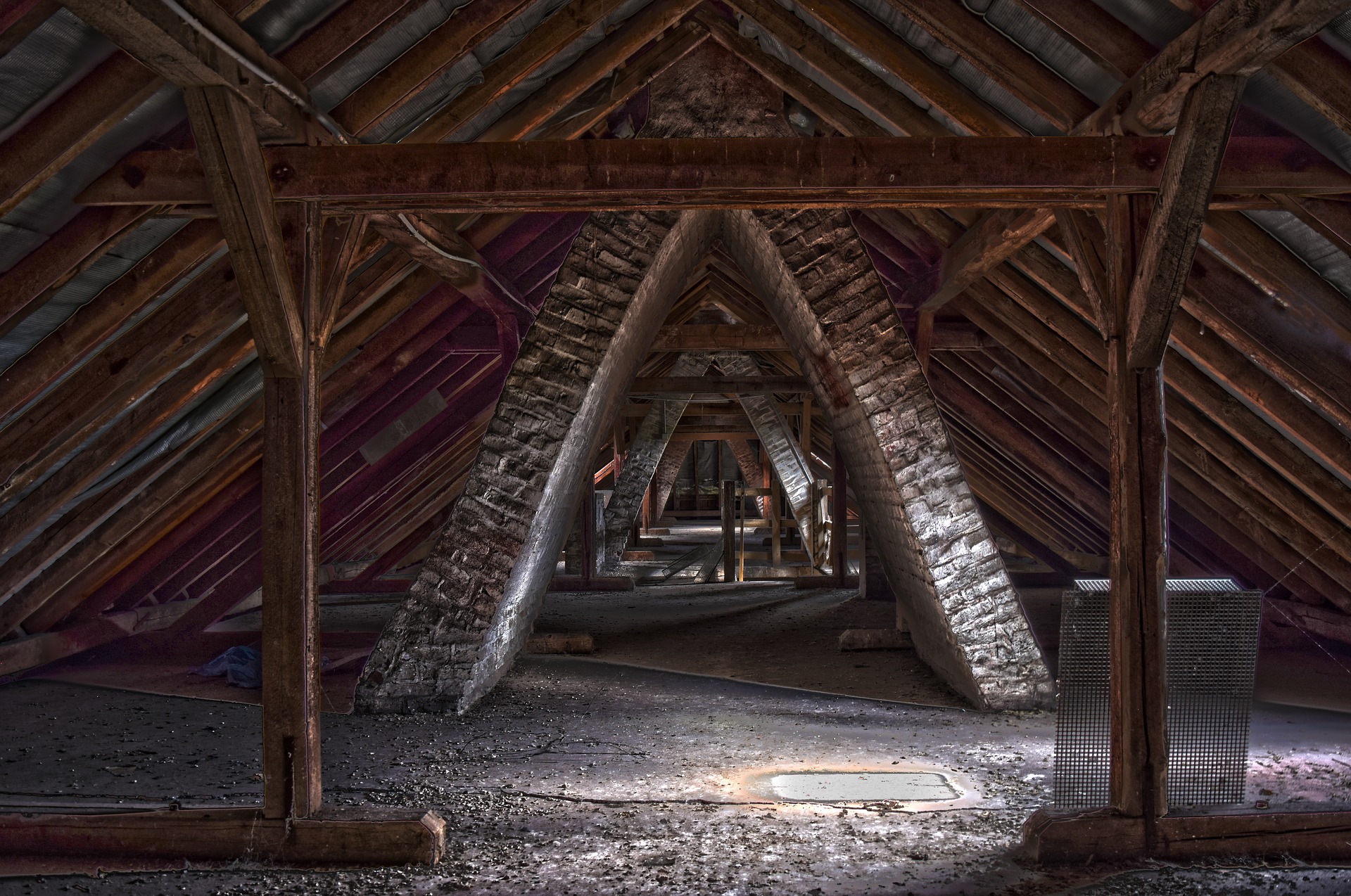
Attic is defined as the space bounded by the building wall and is situated straight beneath the roof. As this is a region usually not occupied constantly by anyone (except in special designs and home modifications), it is unheated. Some constituents of utilities such as water heaters, hot water storages, air conditioning and heating air channels and also goods storages might be positioned here contingent on the volume of space accessible. Usually, the roof and the floor are insulated though more often than not ineffectively.

Varieties of Attic Insulation

Frequently used attic insulations are:

  • Cellulose Insulation – loose fill
  • Cellulose Insulation – Stabilized Insulation
  • Fiberglass and mineral wool insulation- batts
  • Fiberglass and mineral wool Insulation- loose fill
  • Expanded Polystyrene or Phenolic foam insulation- rigid boards
  • Cellular Foam Insulation – pieces of Butyle and Nitrile rubber foam, etc.

Note: Take extreme caution when working with insulating materials! Older outdated insulators can cause severe health risks. They’re largely regulated now, but can still be found in older buildings. Even newer materials can cause severe irritation and tissue damage if not handled with the proper safety equipment.We highly recommend getting a professional attic cleaning along with your insulation removal to ensure a safe and clean space. Attic insulation removal is one of our specialties. Our team knows exactly how to work with the materials and that’s just one reason why we’re the most highly rated attic service in San Diego. We are also proud to provide attic insulation removal in Orange County and Phoenix insulation installation! Don’t take our word for it though, schedule a free inspection, and we’ll show you!

Free Inspection

"*" indicates required fields

This field is for validation purposes and should be left unchanged.
Address