Author: Kevin

Which Attic Insulation Is Best?

No matter how big your home is or what material it’s made of, each one needs to have proper attic insulation to keep the temperature regulated and the energy bill down. And if you live in a region with particularly cold and snowy winters, that last sentence applies to you in bold font and all caps. Overall, the biggest benefit of having your attic insulated is better energy efficiency.

But which attic insulation is best? There isn’t a “one size fits all” answer to the best insulation, as several factors come into play. However, you can still determine which one may be the best attic insulation for you.  Read on for everything you need to know about the different attic insulation options, and how you can choose which insulation type is right for you.


An Overview of R-Value

Any conversation about proper attic insulation must begin with a firm understanding of R-Value, the unit by which insulation’s strength is determined. Insulation R-Value is a material’s capacity to resist the transfer of heat or heat loss . A material’s R-Value is generally affected by the following four factors:

  • Type of material (more on this shortly)
  • Thickness
  • Density
  • Where and how it’s installed

The higher an attic’s total R-Value, the better it will be at trapping heat flow and keeping your home from turning into an iceberg in the winter or sauna in the summer.

Generally speaking, the US Department of Energy recommends maintaining the following overall R-Value levels in your attic:

  • R30 in hot climates (like California)
  • R38 in temperate climates (this is typically the desired level for residences in California)
  • R49 in cold climates (note: if you live in a region where the temperature regularly drops to “every shop in town is closed today because it’s so cold outside” levels during the winter, maintaining a specific R-Value in your attic may be required by state law)


Types of Attic Insulation Material

Though R-Value is a “the higher, the better” measurement, the insulation material with the highest R-Value isn’t necessarily the best attic insulation choice for your house. Different insulation materials have unique strengths and weaknesses, and some attics will be more suited for certain material than others.

Here’s an overview of the most frequently used insulation material, the pros that made them so popular with consumers, and the cons you should consider before you buy:


1. Fiberglass

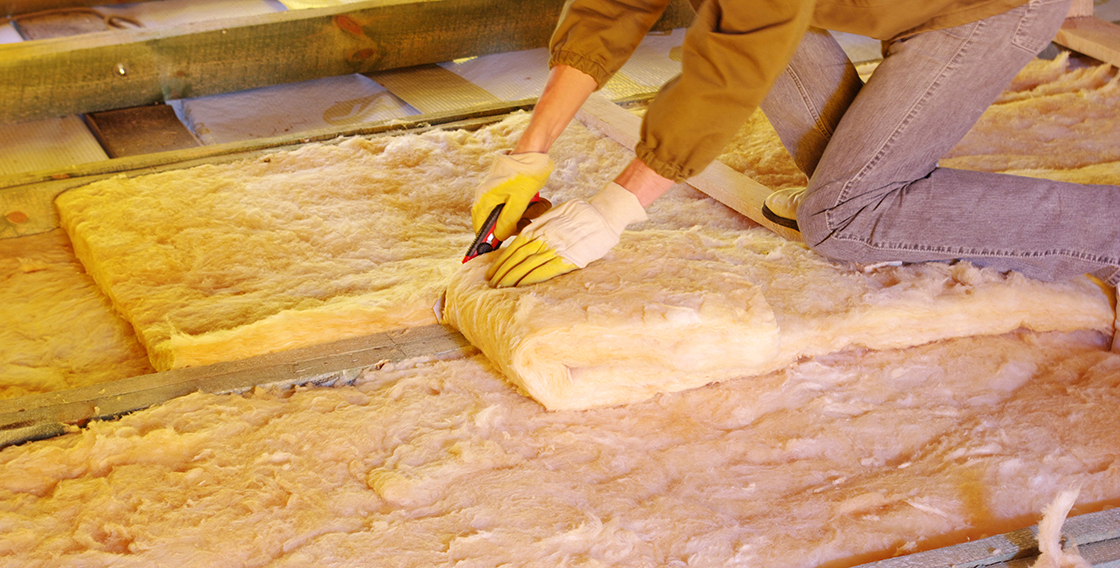
So what is fiberglass insulation? is like the McDonald’s Big Mac of insulation material: it’s certainly not the highest quality option, but it’s easily the most popular insulation type . Its R-Value ranges from as low as 2.2 to as high as 4.3 in the case of specially manufactured high-density fiberglass. As such, it usually performs the worst in terms of insulation for attics.

The fact that it has been a staple of new insulation construction and Extreme Home Makeover-like gut renovations are easy to track. With many benefits of Fiberglass insulation, Some of the advantages include:

  • It’s cheap and highly accessible
  • It’s adept at resisting moisture, which is why it’s particularly sought after in regions with high humidity
  • It doesn’t shrink over time
  • It’s fire-resistant
  • Insects will avoid nibbling on it


2. Cellulose

Cellulose insulation generally comes from either wood or recycled paper, and often manufacturers will claim it as a green product. Although cellulose has slightly more recycled content than other attic insulation types, it does not pass a holistic “green” assessment of its impact on the environment.


There are some concerns about cellulose insulation that you should keep in mind. Cellulose insulation is naturally flammable and is treated with high amounts of anti-flammable chemicals. The Consumer Products Safety Commission requires all cellulose manufacturers to warn their customers that cellulose insulation presents a fire hazard.

Although Cellulose remains an inexpensive commodity and is typically up to 25% cheaper than fiberglass insulation, it’s not without its drawbacks, such as:

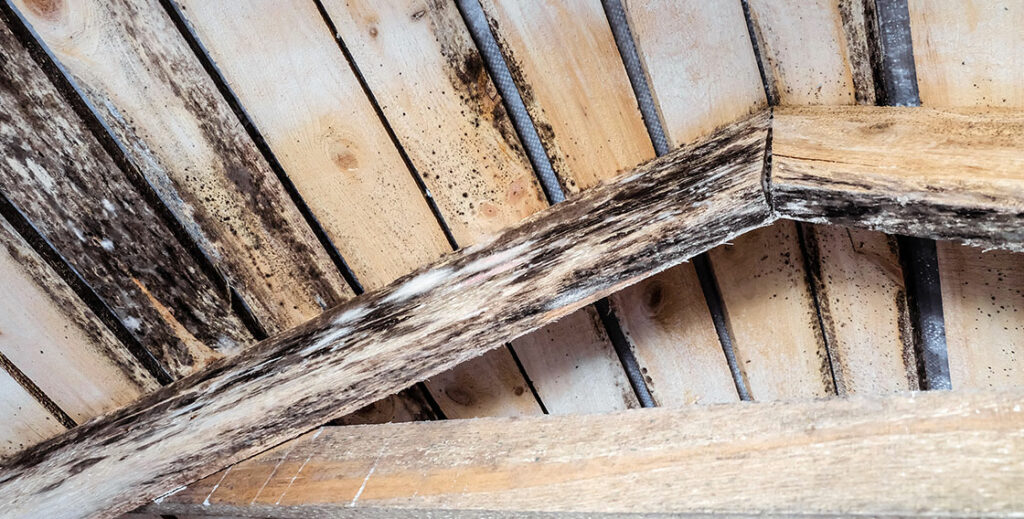
  • They’re a Glutton for Moisture – Any insulation is rendered useless as soon as it becomes wet. Because cellulose is designed to collect and hold water, it waves the white flag in the presence of moisture quicker than any other insulation material. This can cause cellulose insulation to not only slip in effectiveness, but also develop mold and mildew, and even rotting. And if cellulose does become wet, the boric acid used to treat it goes from being harmless to corrosive.
  • Settling – Cellulose also tends to settle and sag over time, which takes away its superpowers. Thankfully, this is less of a problem with attics and pertains more to walls throughout the house.
  • Dust – If you’re in the attic while cellulose insulation is being installed, strap your respiratory mask and goggles on extra tightly. Cellulose creates a whole lot of dust when first installed.


3. Mineral Wool

Featuring melted-down stone and recycled slag from steel mills, mineral wool batts are more widely utilized in Canada and Europe but are currently enjoying a resurgence in the US.

Compared to fiberglass, mineral wool is costlier, but you get what you pay for due to the following advantages:

  • Fire Barrier – Mineral wool doesn’t even begin to burn until it reaches 1,8000 degrees Fahrenheit. In the worst-case scenario of a house fire, this will buy the fire department crucial, potentially home-saving extra minutes to arrive at the scene and take care of business.
  • Water Warrior – In addition to being fire-resistant, mineral wool is also water-resistant, able to continue insulating even in the face of the worst moisture leak.
  • Wall of (No) Sound – Mineral wool is extremely effective at blocking outside noise from entering your home.

There’s only one drawback with mineral wool insulation, but it’s a significant one: inhaling it during insulation can be potentially cancerous. Proceed with extreme caution if you’re present for the insulation installation.

4. Cotton Or Denim Insulation

Interestingly, cotton insulation comes from recycled blue jeans. And aside from the novelty of having former blue jeans hung up in your attic, cotton insulation is a viable choice for the following reasons:

  • High Performance – With a typical R-Value of about 3.7 and up, cotton traps heat with the best of them.
  • Safety – Whereas both fiberglass and mineral wool present safety hazards both in the physical handling of them and the fibers they release into the air, cotton couldn’t be safer to handle or install. No need to worry about it irritating your skin or the consequences of accidentally breathing it in during attic insulation installation.

Similar to mineral wool, denim insulation is an extremely expensive type of insulation.


5. Foam

If you’ve ever wondered what the difference is between fiberglass insulation vs foam, when it comes to performance, foam is the MVP of insulation material. There are two types of foam insulation:

  • Open cell, which has an R-Value of about 3.5
  • Closed cell foam, which hits a whopping R7!

Keep in mind that foam insulation is not recommended for residential applications and is mostly used for commercial or industrial applications. The benefits of foam include:

  • Top-Notch Air Leakage Prevention – The only difference between foam and the 1986 Chicago Bears’ defense is that foam can’t do the Super Bowl Shuffle dance. Foam is the stingiest of defenders against air coming in or out, able to expand quickly and form an air sealing over cavities that other insulation materials couldn’t handle. This air sealing insulation type also discourages airborne contaminants from spreading.
  • Pushing the Envelope – A house’s building envelope is the physical separation of conditioned space (where people move and breath) from unconditioned space (where they don’t). Foam is the only home insulation material that allows you to expand your building envelope to your attic’s roofline. This is a particularly clutch option if your HVAC system (heating, ventilation and air conditioning, for the layman) is located on the floor.
  • Equally Tough on Water – Foam insulation is impermeable to water, which means it neither lets water in nor absorbs it. If that couldn’t make mold and mildew feel any less welcome, foam also contains a polymer that deters their growth, which means they don’t have a prayer of setting up shop around foam.
  • Durability – Foam never settles or loses its efficiency, even in the face of severe temperature drops. You can leave it up for literally decades without having to worry about maintenance.
  • Dual-Purpose – When you apply foam to your rooflines, the effect is two-fold. It not only fortifies your home’s attic structure but also serves as an unrivaled sound blocker.

Once again, the many perks that foam has to offer for your commercial or residential building will hit you in the wallet. Aside from the obvious downside of attic insulation cost, there are other drawbacks with foam to consider, such as:

  • Shrinkage – Though the R-Value of foam never diminishes, it does shrink over time in some cases.
  • Professional Installation or Bust – When the foam isn’t installed properly with an expert insulation installer, it’s likely to fold over itself and create voids that the naked eye can’t see. Even worse, you run the risk of exposing yourself to the foam before it fully cures and becomes non-toxic, a mistake that can have potentially life-threatening consequences.


Popular Attic Insulation Installation Methods

Typically, the insulation material is installed in an attic space in one of four ways:


1. Batt Insulation 

Batts come packaged in rolled-up sheets featuring interweaving fibers. These fibers are usually held in place by adhesive binders in the form of either paper or reflective foil backing, both of which can serve as a vapor barrier. 

The majority of batt insulation is either fiberglass or mineral wool and occasionally denim.


Because batts cover such extensive real estate, they are ideal for attics that fit the following description:

  • An expansive area with little to no obstructions on the attic floor and plenty of headroom for the insulation installer to maneuver around
  • No prior insulation is in place
  • The area features joists (the horizontal structural wooden rods running between two beams in open space) that are spaced out evenly

If you’re in need of replacing your batt insulation, you’ll need to know how to remove batt insulation or you can contact an attic services professional to do the job for you.

2. Blown-in Insulation 

Also known as loose-fill insulation, blown-in insulation comes in tiny chunks packaged in large bags, and entails using a blowing machine to fill in necessary spaces. Fiberglass, cotton, and mineral wool can all work as loose-fill insulation material, but the far and away top choice for blown-in insulation is fiberglass.

Contrary to batts insulation, blown-in fiberglass insulation is perfect for filling in tight voids around wiring, pipes, or any area with awkward framing.


3. Spray Foam Insulation 

The spray can is the exclusive home of spray foam insulation. Often paired with blanket insulation to seal gaps, it is one of the most effective ways to insulate the attic space. The spray foam attic insulation is sprayed into the gap of your attic expanding and hardening into a solid foam.


4. Blanket Insulation

Blanket insulation is an inexpensive and easy way to install insulation into your attic floor and wall. Sliced thick pieces of insulation are fitted tightly between the gaps in wooden frames or around pipes, wires, and other obstacles to shield the attic from heat and cold. It’s important to avoid this type of attic floor and wall insulation in open spaces as it can affect the indoor air quality of your home.


Cost of Insulation for Attic

Whether you end up choosing fiberglass batt insulation, blow in insulation, or spray foam,  it’s important to know the cost of different attic insulation types and overall insulation installation costs. According to Forbes Advisor, the average attic insulation cost can range from $1,500 to $3,500. However, this depends on the size of your attic space. Breaking it down by cost per square foot, the average cost is between $1 and $7 per square foot depending on the material of the attic insulation.

Attic insulation removal cost depends on the current condition of your home. Generally, you do not need to fully replace your attic insulation. Except in cases like serious water damage or animal infestation, a professional would need to rip out all the existing insulation and add in new insulation material. Removing your old insulation can typically cost around $1 to $2 per square foot.


How Much Attic Insulation Do I Need?

Generally, if it is less than about 10 to 13 inches, the equivalent of an R-30, it is recommended to add more insulation. However, depending on where you live and the age of your home, the recommended level of attic insulation is different.


Let Attic Construction Help You With All Your Insulation Needs

So you’ve determined the best insulation for your attic, what’s next? While DIY’ers can perform attic insulation, it certainly doesn’t mean it should be, especially when installing spray foam attic insulation.

At Attic Construction, we’re dedicated to working with you and your budget to assess which type of insulation best suits your unique attic, and how much of it you’ll need (because there is such a thing as too little or too much insulation in the attic) . Whether you have a finished attic or an unfinished attic, when you rely on our expert team of installers, you can rest easy knowing that the insulation installation will be done right and done safely.

Need help with a home insulation project? We are proud to offer the following insulation services at our locations:

Orange County Insulation Installation, Removal, and Replacement

San Diego Insulation Installation, Removal, and Replacement

Phoenix Insulation Installation, Insulation Removal, and Replacement


Resources: 

1) “Batts, Blown or Sprayed? What’s the Best Attic Insulation?” by Allison Bailes
https://www.energyvanguard.com/blog/46480/Batts-Blown-or-Sprayed-What-s-the-Best-Attic-Insulation

2) “Attic Insulation Types” by Rueben Saltzman
https://www.constructionprotips.com/tools-materials/attic-insulation-types/

3) “Read This Before You Insulate Your Attic” by Mickey Goodman
https://www.thisoldhouse.com/ideas/read-you-insulate-your-attic

4) Fiber Glass & Mineral Wool vs Cellulose Insulation: Comparing The Facts
https://insulationinstitute.org/wp-content/uploads/2015/12/FG_MW_vs_Cellulose_Final.pdf

https://www.forbes.com/advisor/home-improvement/attic-insulation-cost/

Types of Attic Insulation: A Helpful Guide

As the old adage goes, there’s more than one way to skin a cat. Attic roof insulation is no different- you have a multitude of options at your disposal. But choosing the right type of attic insulation installation for your home can be the difference between having enough money saved for summer vacation versus losing your summer fund to your energy bill.

Read on for our comprehensive list of the different types of attic insulation, the pros and cons of each, and which one is likeliest to keep your thermostat on an even keel.


What We Talk About When We Talk About Attic Insulation

Before you can go about comparing the many types of attic roof insulation, it’s essential to understand some of the lingo associated with insulation material.

The overall goal of adding insulation to your attic space is to trap heat and keep it from exiting your building. A material’s effectiveness in achieving that goal is referred to as its R-Value. 

The R-Value insulation that your attic should maintain depends on where you live and what the climate is like. Hot climates call for an R30, cold climates command an R49, and moderate climates like may settle near the middle. 


The Usual Suspects

Over the years, some forms of attic insulation have become more popular with homeowners due to myriad factors like R-Value, accessibility, durability, eco-friendliness and the ever-important estimation of “bang for your buck.”

Some of these go-to types of attic insulation include:


Fiberglass Batt Insulation

By far, the most frequently purchased type of attic insulation material is fiberglass, extremely delicate glass fibers that are comprised of recycled material and sand and look uncannily like cotton candy. The most common form that fiberglass insulation takes is in batts, large rolled-up sheets that are held together by an adhesive vapor barrier like reflective foil backing or paper.


Advantages of Fiberglass Batt Insulation

Fiberglass batts present some advantages, especially for new construction with attics that don’t have any prior insulation installed (as well as gut renovations). The upside for choosing fiberglass batts includes:

  • Moisture Resistance – Though fiberglass isn’t impervious to water, it does tend to resist moisture effectively. This makes it less vulnerable to the growth of mold and mildew.
  • Fire Resistance – Fiberglass is noncombustible, so you can rest easy if you have to install it next to your attic’s wooden structure.
  • Easy Installation – Batts are easy to pick up and unfurl. And due to their size, they can cover a lot of real estate in a pinch. This makes them a prime candidate for new construction as long as they are installed properly.


Other Types of Batts

For several decades now, fiberglass has reigned supreme as the top-selling insulation batt. But the following variety of batts have also been popular over the years:

  • Mineral Wool – Mineral wool is a natural fire barrier, so it would take a fire of 1,800 degrees Fahrenheit to make it burn. And it can continue to insulate even when it’s soaking wet. Mineral wool also makes a great sound blocker but unfortunately, it has been declining in traction and is very scarce these days.
  • Denim Insulation – Denim insulation is composed of—are you ready for a tidbit you weren’t expecting?—recycled blue jeans! It’s possible that the very pants you used to feature in your fashion rotation are now boosting your attic insulation. 

Denim insulation is becoming a sought-after choice among environmentally conscious consumers because of it’s environmentally friendly material. However, even though it may be popular for that reason, it is extremely expensive. 


Blown-in Fiberglass Insulation

Fiberglass also comes in the form of loose-fill insulation, tiny chunks packaged in large bags. These chunks get installed courtesy of a blowing machine that spreads the chunks to fill in necessary spaces. 

Though common perception stemming from a 1990’s study was that blown-in fiberglass loses R-value when in temperatures below 20 degrees Fahrenheit, this has since been proven to be false. 


Pros and Cons of Blown-in Fiberglass

Taking the blown insulation route with fiberglass can be a viable option for several reasons, such as:

  • Filling in the Cracks – Contrary to batts, blown-in insulation is perfect for filling in tight voids around wiring, pipes or any area with awkward framing.
  • It’s Cheap – You’d be hard-pressed to find a cheaper option than blown-in insulation. 

Even though blown-in fiberglass looks different from batts, it’s still the same material, which means it will carry with it the same flaws and potential safety hazards.


The Final Verdict on Blown-in Fiberglass

Blown-in fiberglass insulation may be the right choice for you if your attic fits the following description:

  • There’s pre-existing insulation that has left behind gaps
  • The joists are spaced irregularly throughout the area
  • There are several obstructions on the ground
  • There’s a low ceiling. Low-clearance attics aren’t conducive to the maneuvering required for installing batts. But even the
    tightest of crawl spaces will still have ample room for a blowing machine to prove effective


Blown-in Cellulose

Cellulose is made from pieces of newspaper that are shredded into extremely fine pieces. Even though this may seem like a very simple and cost-effective option, cellulose is only positioned this way because of it’s marketing over the years. Blown-in cellulose is probably the worst option for insulation based on more than a few reasons. Here are a few reasons why people think cellulose is a good option (but why it’s really not):

  • More Cost-Effective – Despite having a higher R-Value than most fiberglass, cellulose tends to be considerably cheaper. Generally speaking, blown-in cellulose will cost you up to 1/4th less than blown-in fiberglass. Even though cellulose is a very cost-effective option, it’s cheap for a reason…
  • Chemical Treatment – Blow-in cellulose manufacturers like to advertise that because cellulose is treated with boric acid, it will repel rodent and insect activity. This is simply not true. The effectiveness of the amount of boric acid that is in cellulose does almost nothing to prevent rodent and insect activity. This is again an act of marketing and has been instilled in customers heads by cellulose manufacturers for many years. 

It’s important to note that cellulose is designed to retain water and absorb moisture. This makes it a Valhalla for mold, mildew and potential rotting. To discourage this, all cellulose insulation must be accompanied by a vapor barrier.


The Final Verdict on Blown-in Cellulose

From a usage standpoint, blown-in cellulose can thrive in the same situations as blown-in fiberglass, however, there has been a lot of marketing behind false claims surrounding cellulose that make it a less than preferred option for attic insulation.


Spray Foam

As an insulator, nothing tops spray foam. It comes in two varieties—open-cell and closed-cell—the latter of which boasts an unrivaled R-Value of 7! The many distinct advantages of using spray foam insulation include:

  • Airtight Seals That Last – When applied, spray foam expands quickly and locks down air in a vault-like seal. And once it’s up, it’s staying. Whereas most insulation material needs to be replaced once every ten years or so, foam can remain at peak performance for several decades. You can essentially set it and forget it.
  • No Water Allowed – In the face of moisture, foam is basically anti-cellulose. It’s totally impermeable to water.
  • Expanding the Building Envelope – Foam is unique from all other insulation materials in that, when sprayed on your roofline, it has the capacity to expand your building envelope, or the physical space between its conditioned space (i.e. the space that people inhabit) and unconditioned space. 

Expanding your building envelope with spray foam also strengthens your building’s structure and even serves as a sound barricade to boot.

From a performance standpoint, one of the main downsides with spray foam is that, in a residential application, it hardens and cannot be removed. If you cover wiring, piping and other obstacles in the attic that then need in a later date some treatment, you will be unable to retrieve them. Apart from that, spray foam is also extremely expensive and thus mostly used in commercial buildings or vaulted ceilings, where you don’t actually have an attic. 


The Final Verdict on Spray Foam Insulation

There’s no doubt that spray foam is a franchise player when it comes to getting proper attic insulation. But like top athletes that demand max contracts, the spray can is going to cost you top dollar. And like some athletes, spray foam can be high-maintenance during the installation stage. Unless you’re a professional, it’s extremely difficult to install correctly and safely.

Still, spray foam will block airflow and leakage in an unparalleled fashion that helps you save money on your heating bill like no other insulator on the market. Thus, the higher upfront cost will eventually pay for itself.


The Replacements

While the above represent the most common types of attic insulation, there are other effective alternative methods worth mentioning, such as:

  • Rigid Foam Panels – These are panels specifically designed to slow the transfer of heat between studs in your attic’s joists. As their name suggests, they have a rigidity that makes them a breeze to cut to size.
  • Radiant Barriers – Although technically not an insulation, if you live in a particularly warm climate, radiant barriers could be the right choice for you. Whereas other insulators work to trap heat inside the home, these barriers are placed on the underside of roofing and padded with reflective material (like aluminum foil) to keep heat away from the house. This can be an excellent way to lower your home’s cooling costs.


At Attic Construction, We’re Here to Help

There are several different routes you can take for installing attic insulation, which unfortunately means there are countless ways to do it incorrectly. Thankfully, Attic Construction is here to help! 

As a highly rated provider of both insulation installation and insulation removal, we pride ourselves on working with you and your budget to make the process of insulating your attic hassle-free.

We are proud to offer the following insulation services at our locations:

Orange County Insulation Installation, Removal and Replacement

San Diego Insulation Installation, Removal and Replacement

Phoenix Insulation Installation, Removal and Replacement

Visit our website to schedule an appointment with one of our expert team members today!

Resources

1) “Batts, Blown or Sprayed? What’s the Best Attic Insulation?” by Allison Bailes
https://www.energyvanguard.com/blog/46480/Batts-Blown-or-Sprayed-What-s-the-Best-Attic-Insulation

2) “Attic Insulation Types” by Rueben Saltzman
https://www.constructionprotips.com/tools-materials/attic-insulation-types/

3) “Read This Before You Insulate Your Attic” by Mickey Goodman
https://www.thisoldhouse.com/ideas/read-you-insulate-your-attic

How Much Insulation Do I Need in my Attic?

All too often, air is exiting our attics without us even knowing. And as a result, money is rapidly exiting our bank accounts. When money goes to die on wasted energy, public enemy number one is usually not having the proper amount of insulation installed in the attic. Like many Americans, perhaps you’re asking yourself “how much insulation do I need in my attic?” 

Read on to find out.


The Telltale Signs That Your Insulation Needs Attention

A massive spike in your energy bill is typically a dead giveaway that your attic insulation requires immediate attention. But there are visual cues that can tip you off as well.

Take a look around your crawl space and see if you identify these telltale signs:

  • Dark Spots – When dark spots are splattered throughout your insulation material, that indicates one of two things, and neither is good news. Either your insulation has developed mold, or the spots are being created by consistent air leakage.
  • Shifting Cellulose – One of the flaws with loose-fill cellulose insulation is that it settles over time and, as a result, tends to shift toward the middle. If you notice that your cellulose has bunched up in the middle of a joist and left the outsides barren, redistribute the cellulose so that it’s evenly spread out.
  • Settling Fiberglass – Like cellulose, older fiberglass insulation manufactured in the past tends to settle as well. But when it does, instead of shifting, the dark pink “cotton candy look” it had when you first purchased it becomes a distant memory and fades into a shade of pink so dull it’s almost white.
  • Wetness – As soon as insulation gets wet, it’s useless. And that’s not the only problem: it’s also potentially hazardous, as wet insulation can trigger the release of harmful toxins (in the air). Replace wet or even damp insulation immediately and see if you can identify what caused it. Aside from the obvious of a recent flood, the moisture may have been caused by a blocked vent, leaky roof, or the absence of an effective vapor barrier.
  • Rodent Infestation – The most glaringly obvious sign that your insulation needs immediate replacement is when your batts are joined by bats or local rodents and critters have made your joists their local haunt. If this is the case, give the joists a thorough examination to ensure your uninvited “guests” didn’t leave behind any of their children or feces, and then pitch it ASAP.
  • Fluctuations in Your Home’s Temperature – Some signs won’t be visual ones, but rather you’ll be able to sense them. If you feel indoor drafts or drastic fluctuations in temperature, that’s usually a cry for help from your insulation. This can be a clear indication that your insulation needs to be checked for issues.


OK, Looks Like I Need New Insulation. How Do I Figure Out How Much I Need?

If you’ve encountered one or more of the above warning signs in your home, you can go in one of two directions:

  • In less severe cases, you can simply add to the insulation you already have in place
  • In dire cases, you can rip out the prior insulation and start from scratch with brand new insulation, fiberglass insulation

In either case, your next step will be to calculate your attic’s R-Value.


What on Earth is R-Value of Insulation?

Attic insulation R-Value is basically the effectiveness with which an insulator traps heat and keeps it in the room. The higher the R-value, the higher the effectiveness of the insulation. R-value is depending on a few things such as material, thickness, and density. 


How do I Know What R-Value my Attic Needs?

The Us Department of Energy has created this useful chart to help American homeowners decipher the R-Value they need to maintain in their attic. In general, the colder the climate where the house is located, the higher the R-Value in the attic needs to be.

Thus, most US states abide by the following R-Value recommendations:

  • Between R49 and R60 for cold climates, depending on the severity of the winter
  • About R38 for moderate climates
  • As low as R30 for hot climates

Deciding how much insulation your attic needs is a matter of knowing the R-Value of your insulation material and the total R-Value you need your attic to meet, then purchasing enough material to make the equation work. Keep in mind, if you’re adding to previously installed insulation, you’ll need to factor the R-Value of the old insulation materials into the equation as well.


Conclusion

Perhaps now you’re saying to yourself “this whole R-Value stuff is a bit more than I want to deal with.” Thankfully, at Attic Construction, we specialize in guiding you through every step of the installation or removal process for attic insulation.

Contact us today for help determining the R-Value you need to maintain in your home, and learn how we can help you get there!

Resources

1) “Batts, Blown or Sprayed? What’s the Best Attic Insulation?” by Allison Bailes
https://www.energyvanguard.com/blog/46480/Batts-Blown-or-Sprayed-What-s-the-Best-Attic-Insulation

2) “Attic Insulation Types” by Rueben Saltzman
https://www.constructionprotips.com/tools-materials/attic-insulation-types/

3) “Read This Before You Insulate Your Attic” by Mickey Goodman
https://www.thisoldhouse.com/ideas/read-you-insulate-your-attic

4) “Insulation” by the US Department of Energy
https://www.energy.gov/energysaver/weatherize/insulation

How Much Does Attic Insulation Cost?

Many people looking to install attic insulation think as if the installation is a menu item with one fixed price. But in actuality, the question of how much attic insulation will cost is a complex one that raises more questions than it answers.

What exactly are the factors that come into play when determining attic insulation installation cost? Read on to learn more.


What Every Customer is Paying For

There is a multitude of methods and materials used for insulating an attic. Regardless of which type of insulation you choose, however, the average attic insulation cost and final quote are always partially influenced by the following:

  • R-Value – R-Value is the standard measurement of how effective your insulation material is at resisting heat flow. The better the heat-trapping capabilities of the material, the higher the R-Value of insulation will be, and the more you’ll pay for its performance.
  • The Right Amount – The total R-Value that your attic must maintain depends on the climate of the region you live in. The general understanding is that attics in hot climates should maintain an R30, moderate climates an R38, and bitterly cold ones an R49.

Meeting the total R-value of insulation recommended (or in some, required by state law) in your region is a matter of multiplying your chosen material’s R-Value by how many inches are installed. 

For example, if you live in California, it’s likely you’ll want to maintain an R30 in your attic.

  • Time – Attic insulation material comes in all kinds of shapes and consistencies, which means that the amount of time installation takes can vary greatly. 


Now, Onto Specifics

Once your insulating installer has taken the above into account, the final price will henceforth be affected by the particular insulation material you choose.

Here’s a look at the most popular types of attic insulation, and the specific insulation costs involved with each:


Batts

Batts are long, blanket-like sheets that typically feature fiberglass, but can also be comprised of cotton and mineral wool.

Pricing for batt installation is influenced by the configuration of the attic. Batts can cover a lot of real estate. Having a wide-open space to work with can potentially make installation easier but no matter what, batts insulation takes a great amount of time to install properly.

If, however, your attic features tight, awkward spaces and obstructions like pipes, wires or an HVAC system resting along the floor, you or your hired insulating professional will have to take time to cut the batts to size.

And it’s vital that your installer takes the time needed to tailor the batt to the exact length. A miscalculation in either direction could lead to gaping holes for air to escape, or irregular compression that causes the fiberglass to lose its R-Value.


Blown-in

The installation of blow-in insulation involves tiny chunks of either fiberglass or cellulose being spread over the attic’s floor courtesy of a large blowing machine. 

In the case of blown-in installation, the cost of the insulation project is simple. You’re either paying a professional for their time in using the blowing machine or, if you’re an ambitious DIY’er, renting the machine from the construction company to give it a shot on your own. If deciding to install on your own, there are many things you need to take into consideration:

  • Proper airflow must be maintained in the attic
  • Must maintain the proper distance from other parts of the attic

Must have the proper safety equipment for the project such as a dust mask, safety glasses, gloves, and durable clothing that covers your whole body.


Due to the massive undertaking that comes with DIY attic insulation installation, it is usually a better idea to hire a professional who will have the whole project covered from A-Z.


Call Attic Construction for a Free Quote Today

Does the process of insulating the attic sound like a headache? Do you still need answers with attic insulation cost? Fear not, Attic Construction is here to help with your insulation services needs!

Whether you’re looking for insulation installation, rodent proofing, or attic clean out service we’re here to get the job done. From Phoenix insulation installation, rodent proofing San Diego, or attic insulation removal in Orange County…we have you covered!

Our dedicated team of insulation experts is happy to walk you through any questions you may have about the pricing process of your insulation project, installation, and anything else you need. 

Contact us today for a free quote!

Resources

1) “Batts, Blown or Sprayed? What’s the Best Attic Insulation?” by Allison Bailes
https://www.energyvanguard.com/blog/46480/Batts-Blown-or-Sprayed-What-s-the-Best-Attic-Insulation

2) “Attic Insulation Types” by Rueben Saltzman
https://www.constructionprotips.com/tools-materials/attic-insulation-types/

3) “Read This Before You Insulate Your Attic” by Mickey Goodman
https://www.thisoldhouse.com/ideas/read-you-insulate-your-attic

3 Reasons Why You Need a Professional Attic Insulation Installation [Video]

Your home’s attic is more than just a storage space for a bunch of your old stuff. It provides the much-needed protective barrier against heat, cold, and humidity. However, your attic won’t be able to do its job if it’s not properly insulated.

The North American Insulation Manufacturers Association (NAIMA) says that 90% of U.S. homes are under-insulated. When it comes to home projects, it can be tempting to want to do it all on your own. However, attic insulation installation is a job that’s best left to professionals.


Why Hire a Professional for Attic Insulation Installation?


1. Decrease Energy Bills

Your home’s heating and cooling account for about 50% to 70% of the energy used in your home. If your home lacks proper insulation or is under-insulated, you’ll find yourself spending more on bills just to maintain comfortable temperatures.

With proper insulation installation, you can save an average of 15% on heating and cooling costs. The keyword here is proper. An attic insulation installation done by a professional will provide you with maximum savings on energy cost.

A professional insulation contractor will ensure that your entire attic is covered correctly with the proper insulation. This means that there will be no spots or holes that will be left uninsulated. This is, of course, important because even just a tiny uninsulated space or hole can result in inefficient energy use, defeating the whole purpose of insulation.


2. Increased Indoor Comfort

An uninsulated or under-insulated home will not just cost you more money, it will also cost quite a bit of discomfort in your home. Without sufficient insulation installation, your home won’t be able to maintain the proper temperature, as it’s being affected by the outside temperature. Even if you have modern heating and cooling systems, temperature fluctuations will still happen as the effect of the outside temperature finds its way into the holes in your home.

If the temperature between the upper and lower floors have a difference of 10 to 15 degrees, it’s a telltale sign that your home is under-insulated. An expertly installed insulation will ensure that every room and floor of your house will benefit from stable and consistent temperatures.

3. Increased Home Value

Having an excellent insulation system is a great way to increase the value of your home without draining your savings. Superior attic insulation installation will turn your home into a comfortable place to live in, and that means an increase in home value.

Today’s home buyers are not just looking for a home that’s a good value for their money, most of them want a home that requires as little work as possible. If you plan to sell your home and it’s fitted with optimal insulation, this feature will certainly be included in your listing. And according to a survey conducted by the National Association of Home Builders, energy efficiency–which comes from insulation–is one of the top criteria for home buyers.


A Job Done Right


The best reason to opt for a professional attic insulation installation is you want the job done right. If you wish to save time, money, and your sanity, get in touch without a professional to install your home installation.

Regardless of the types of insulation that you need, a professional contractor will be able to accommodate you. Attic Construction is proud to provide services to both OC and San Diego. From attic cleaning to insulation installation in Orange County, San Diego, & Phoenix insulation installation we have you covered! Schedule an appointment at your nearest location.

3 Ways Your Attic Can Be Contaminated and What You Can Do About It

How often do you inspect your attic? Do you perform a routine inspection of the area? If you do not conduct an occasional look-over of your attic, you are in good company, as many homeowners don’t. Simply because they lack the understanding of how important examining the attic space is.

Without checking out this area on a regular basis or routine attic cleaning, you may have a contaminated attic on your hands without knowing it, which can result in damage to your home and present health hazards to you and your family. You may ask yourself how can the space above our ceiling be such a danger?

Check out the following three ways your attic can be contaminated and what you can do about it.


1. Asbestos

Although your attic may have ample insulation, chances are if your insulation was installed prior to the early 1990s it contains asbestos. If disturbed, asbestos can breakdown causing microscopic fibers to be released into the air, which are easily inhaled and can negatively impact a person’s lungs.

A few serious and potentially fatal diseases linked to asbestos inhalation are lung cancer and mesothelioma. If you suspect you have a contaminated attic with asbestos it is crucial you notify a professional decontamination service as asbestos removal is dangerous and must be completed appropriately.


2. Rodents

Certainly you know that mice can and will take up residency in an attic. However, they aren’t the only rodents you need to be watching out for as rats and squirrels also enjoy making themselves comfortable in an attic space. In addition to the destruction these rodents can cause such as chewed up electrical wiring, rodents leave behind up to 75 droppings per day that can hazardous to your health.

According to the CDC, there are over 30 different types of diseases associated with rodents including the following which are directly transmitted by rodents; Hantavirus Pulmonary Syndrome, Salmonellosis and Lymphocytic Chorio-meningitis (LCM). Proper cleaning of your contaminated attic will help ensure you and your family’s health.


3. Mold

Whether it be a leaky roof, inadequate attic ventilation, ice dams, missing or improperly installed insulation or vents in the attic can cause mold to grow in the attic of a home. As with asbestos and rodents, mold can produce significant health issues in those who inhale mold spores. Those conditions include respiratory infection/illness, allergic reactions, and a weakened immune system among others. Unfortunately, once in your contaminated attic mold spores can travel throughout your house, leaving mold to grow in other living areas of your home. A professional inspection can determine if your attic is harboring mold spores or is at risk of growing mold.

Now that we have identified three main attic contaminants, you may be wondering how to rid your home of these dangers. Upon inspection of your attic, a customized attic decontamination plan will be generated. Depending on the inspection results of your contaminated attic, some of the major components of a decontamination process may include:

  • Bagging and removal of all contaminated insulation.
  • Removal of any droppings
  • Disinfection of the area
  • Rodent proofing
  • Re-insulation


Attic Inspection and Construction

If you do not routinely maintain your attic space it is essential you contact an expert for a free attic inspection. Our team at Attic Construction is skilled in rodent decontamination and proofing, removal of old insulation, air duct repairs, new insulation, cleanup or repairs and more.  

The Best Attic Insulation For Your Climate

When it comes to insulating your attic, there’s no one-size-fits-all solution. The climate in which you live, your home’s age, and the size of your home are all important factors in understanding how to protect you from the elements. Because there are so many types of homes, there are several types of insulation from which to choose. If you’re looking to protect your home from temperature fluctuation and save on high energy bills, here are a few things to consider.


Southeast & Pacific Northwest

If you have a lot of humidity and rainfall in your region, it’s important to pick insulation that’s effective in combating both. Try a spray foam that helps form an air barrier, sealing all gaps and cracks in your home. It often costs more than a standard batt insulation, but it’s worth the money you’ll save on utilities. It also helps winterize and weatherproof your home to help prevent mold and mildew issues.


Southwest

For those living in the southwest region, the weather is often hot and dry. These places experience desert-like climates, which means you’ll want to keep the cool air in, while holding the hot air at bay. Rockwool batts and blankets are great for these types of climates. As its name suggests, rockwool is made of real rock and provides long-term performance and fire-resistant properties. However, if it gets wet, it can easily cause mold and mildew damage. This is why it works best for in southwestern homes where moisture is not a threat.


California

A large portion of the West Coast–mostly in California–has the advantage of moderate climates and little rainfall. Standard fiberglass batts and blankets are the best attic insulation because they effectively slow the spread of heat and cold. Loose-fill fiberglass is also a great solution because it’s lightweight. Though the loose-fill version does lose some effectiveness at very cold temperatures, this not a problem for much of California.


Midwest

If you live in the Midwest, you’re accustomed to harsh, cold winds that blast through the cracks in siding, window joints, and other parts of your home. In these cases, you want to ensure that you have a home that’s been well-sealed. Caulking and installing fiberglass batts and blankets will be a good way to prevent heat transfer in the winter.


Northeast

While costlier to install, structural insulated panels provide incredible energy savings, which is important in the Northeast, where the cost of living tends to be high. You’ll also find that it’s easier to heat and cool your home, which is important in a region that can get both high and low temperatures.

A foil radiant barrier is also great for both hot and cold climates. While radiant barriers do gather condensation and can have mildew issues, a proper sealant on your home can prevent these issues and is an important step before insulation.


Consult an Expert on the Best Attic Insulation

When you’re ready to insulate your attic, be sure to consult a professional who can give you the best recommendation for your home. Attic Construction, located in San Diego specializes in home insulation installation that protects your home during both hot and cold months. The company can also decontaminate attics when rodents are present, repair air ducts, install radiant barriers, and much more. Learn more and request a free attic inspection.

The Long-Term Value of the Short-Term Attic Cleaning Cost

[vc_row][vc_column][vc_column_text]

Attics don’t get the love they deserve. They provide a space for seasonal decorations and clothes to live in when they’re not needed; they protect treasured items like family heirlooms, antique furniture, and jewelry; and serve a lot of purposes that we don’t always give a lot of thought to.

Since we don’t head up to our attics often enough, it’s easy for them to not be part of our usual cleaning routine. When spring cleaning comes around, you may get the carpets and drapes professionally steamed, but the attic goes untouched. Here are just a few reasons why regular the cost of an attic clean out quickly pays for itself.


1. Check for Mice and Other Rodents

Many people believe that rodents head to places like attics and basements in colder months to create a nest before winter. This is only partially true. No matter the weather, a good nest is a good nest and that’s what most attics are.

Attics shelter rodents from the elements and provide plenty of great food sources in the form of your valuable possessions. To prevent the rodents from gnawing on everything you own—which they will do—you need to regularly clean out the attic to ensure there are no nests anywhere.


2. Prevent Rot and Water Damage

Attics tend to be warm, dark, and damp places. These are the perfect conditions for not only rot, mold, and other potential problems to form. Regular cleaning is a great way to make sure all your belongings are properly sealed against any leaks or other types of water-related damage.


3. Check Your Insulation and Other Key Materials

Your attic contains other valuables in addition to your belongings. Generally, attics contain a large amount of insulation, which needs to be regularly checked. Damaged fiberglass insulation can lead to a wide range of health problems for you and your family, and can also increase in your electric bill from your need to run the air conditioning more often.

In addition, regular cleaning ensures that other key materials in your attic– electrical cords, ventilation, etc.–are in good shape. If any of these components or materials have been worn-down over years of use, a periodical attic cleaning can prevent some costly repairs down the line.


4. The Regular Attic Cleaning Cost Will Pay for Itself

In the long term, the cost of regular attic cleaning easily pays for itself. Just like any other part of your home, by ensuring your attic is clean and well-maintained, you can prevent expensive repairs, keep out rodents and bugs, and make sure your valuables are kept in a clean place where they won’t be damaged by moisture, rot, or electrical wires.


[/vc_column_text][/vc_column][/vc_row][vc_row][vc_column][vc_single_image image="5018" img_size="600×250" alignment="center" onclick="custom_link" link="https://atticconstruction.com/contact-us%22][/vc_column][/vc_row][vc_row][vc_column][vc_column_text]


If you are in need of an attic cleaning in Orange County or Phoenix insulation removal, we can help! Our team does everything you need for a clean attic: cleanups, insulation installation, rodent decontamination, and more. Check out our website for even more of the great attic services we offer.

[/vc_column_text][/vc_column][/vc_row]

Attic Construction of San Diego Boasts 6 Years of Excellence

Joe and Yahav, founders of Attic Construction in San Diego, CA, consider themselves to be much more than your friendly neighborhood attic service business. When asked, “What makes Attic Construction special? What should people know about Attic Construction?”, their answer is simple but confident: “We’re good at keeping customers happy.”


“Just Us and a Truck”

The origins of Attic Construction are described by the founders as “just us and a truck”. When they started in 2013, Joe and Yahav were the only employees. They used their past experiences working on attics in Northern California and Israel to start a business that they could call their own. Fast forward 6 years, the company has serviced over 5,500 homes, and expanded their size exponentially.  

Before they even started their company, they knew that their strategy could not be paralleled by any competitor in their industry. This strategy is built around three specialties: Training, Communication, and Equipment.


Training

By the time Attic Construction was conceived, Joe and Yahav were already pros in their niche line of work. However, they couldn’t have worked their way towards 5,000+ jobs in 6 years all by themselves, therefore, they needed to have an elite team of professionals working with them as well.  

Attic Construction employs a rigorous training program for each of their employees to ensure that they are not only masters of their craft, but in customer service as well. The founder’s perspective is that if one of their team members is only working for the money, then it is probably not going to work out. Instead, they want their team to be dedicated and be proud of the work that they do. Once a newly trained employee is ready to be part of the team, they are treated like family, as Attic Construction understands the importance of an employee feeling like they are appreciated and respected.

Additionally, Joe and Yahav often host team training days. On these special and important days, none of their employees are in the field. Instead, they are back at the shop, sitting down with their team members, picking up a new skill or reforming an old procedure. The founders think that this is a valuable and distinguishable practice, as it not only ensures that their team is all on the same page about a specific procedure, but it also promotes team welfare and togetherness.  


Communication

Attic Construction’s next specialty is its communication infrastructure. They know the importance of being transparent and consistent with the customer as well as their team. That’s why they practice diligence and dexterity in their communication methods.  

Starting with their clients, Attic Construction ensures that all requests and needs are carefully taken note of and catered to effectively. Pictures are taken at every job site before, during, and after the visit, and sent to the management team for a thorough analysis of the work that needs to be done. The team member then shows the pictures to the clients to inform them of specifically what work they are going to be doing to ensure total transparency. Based on what work needs to be conducted, the team then works with each client to fit to their specific budget. Attic Construction’s hope is that every customer feels completely informed of the work that was done, and what they paid for.

If you ask Joe and Yahav, they’ll tell you that employees are a company’s greatest asset. Because of their hyper-awareness of this fact, they understand that employees need to feel completely in the loop of all company decisions. For that reason, they like to hold what they call “tailgate meetings”. At these meetings, the team assembles to discuss jobs that occurred that week, give each other suggestions, and talk about company business. The founders believe that these meetings create a strong sense of community within their team, and think that it is a direct influence on their incredible customer service.     


Equipment

Joe and Yahav take tremendous pride in the work that they do, and a big part of why their work is so elite is their top-of-the-line equipment. The founders do extensive research to ensure that their equipment is the best their industry has to offer.

Beyond simply employing this leading equipment in their operations, there is a great task in maintaining its quality. All employees take measures daily to confirm that no equipment is damaged, dirty, or malfunctioning. This may seem too tedious to some of their competitors, but Attic Construction believes that this process is their competitive advantage, or what makes them the best at what they do.


A Word from the Owners

To us here at Attic Construction, anything less than 5 stars in customer service is a failure. We want every customer who hires us to feel as if they were treated with the utmost respect and that they were a priority to us. The pride that we take in doing the job right is what drives our company’s culture, and that seamlessly extends into our punctuality, flexibility with customers schedules and budgets, and respect for property. We hope, more than anything, that we establish a relationship of trust with our customers, they feel confident in our work, and our business together is mutually beneficial.

How Do You Know When It’s Time to Do Some Rodent Prevention? 4 Signs to Watch Out For

If you are suspicious of a rodent problem in your home, there are many tell-tale signs that can alert you to the issue and let you know it’s time to consult a professional rodent exterminator. Catching a rodent problem early is the best defense to preventing an infestation. Take note of the following signs of mice and rats in your home and call a professional to help with rodent control, extermination, and home protection services:


1. Odors and Droppings

Mice and rats have differently sized droppings, but both look like foreign, dark pellets. Fresh droppings are shiny, while old droppings will be dry and crumble. If you’re seeing clusters of small, dark droppings in certain areas, that is an indication of a rodent runway. These pathways are the spaces where the rodents are frequently moving around your home. Mice and rats typically use ledges, cabinets, space near shoe molding, along walls, or piping to move about the room to try to avoid detection. Placing traps near these spaces makes it easier to catch and control the rodents in your home.

In addition, you may smell the musky odor of rodent urine. When a few mice have turned into an infestation, the scent is easily detected in a home and can be difficult to eradicate until the rodents have been eliminated. Be sure to thoroughly clean your home for both urine and droppings when your rodent problem is under control.


2. Pet Behavior

If you have pets in your home, they may exhibit skittish behavior or may be prone to barking with no provocation. They also spend time investigating, sniffing, or pawing at spaces under furniture, appliances, and around shoe molding. Your pets are clued into the unwelcome house guests, and a change in their behavior is an indication that something is amiss in your home.


3. Noises

Rodents are often heard before they are seen. While many people associate squeaking noises with mice, you’ll hear scampering first, especially in a home with hardwood floors and exposed vents. Since mice and rats are nocturnal, and you’re more likely to hear these noises at night. If a rodent is attempting to gain entry or gnawing on structures to keep teeth short, you may hear a sound that resembles scratching.


4. Chew Marks

When you pull a packaged food out of a cabinet and see a hole in the side of the bag, there’s a very good chance you have a mouse in your home. Any food item that is not sealed in impenetrable plastic can fall victim to rodents. But less conspicuous chew marks on wood in your home, like on baseboards, corners, and furniture can also be the first sign of rodents. Look for unusual wear and tear on wood in your home, and check food for signs of tampering.  


Rodent Prevention Techniques

If you think you might have a problem with mice or rats, hiring a rodent removal company is an important step to protecting your family from unwanted guests and the issues that accompany rodent infestations. But don’t forget to prevent your home from future infestations. The best way to avoid a rodent problem is to seal entry points before rodents can enter your home and to get a regularly scheduled attic cleaning to avoid attracting them.

Attic Construction in San Diego, Orange County and Phoenix is an insulation installation company that can help protect the most vulnerable place in your home – the attic. Mice and rodents are great climbers and find entry points where there are holes or not enough insulation. Get a quote today for rodent proofing services.

Free Inspection

"*" indicates required fields

This field is for validation purposes and should be left unchanged.
Address